The MTA announced June 30 that it won six Gold Awards from the American Public Transportation Association, the national trade group for U.S. public transit, recognizing safety and security programs across New York City Transit, the Long Island Rail Road, and Metro-North Railroad. According to an MTA press release covered by Harlem World Magazine, the APTA Gold Award is one of the highest honors in the U.S. public transportation industry, given to programs evaluated on effectiveness, benefit level, and adaptability. The awards were presented at APTA’s annual Rail Conference in Baltimore on June 30.




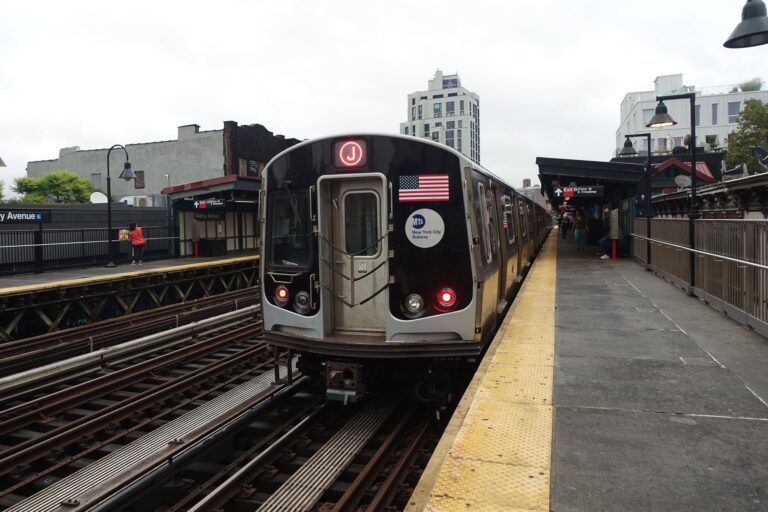
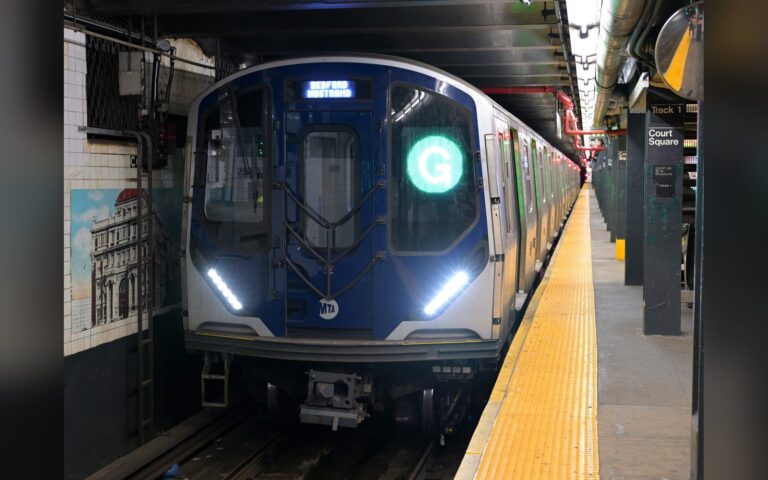
Two of the six went to NYC Transit, which operates the subway. The first recognized the Laser Intrusion Detection Systems program, known as LIDS, a track safety system that uses invisible laser barriers to detect trespassers and automatically alert both train operators and the MTA’s Operational Control Center whenever a person or object enters a restricted track area, according to the MTA. The second NYCT award went to the Safety Hazard and Risk Prevention program, called SHARP, which was built in-house to maintain safety protocols during high staff turnover and to identify the root causes of procedural failures so they don’t happen again.
“As part of our commitment to safety and service, NYC Transit is constantly looking at how we can improve the integrity of our operations, and these awards are proof that what we’re doing is working,” NYC Transit President Demetrius Crichlow said in the press release.
The Long Island Rail Road and Metro-North jointly won a Gold Rail Security Award for the Joint Security Strategy, a program that equips train crew members with tablets and cellular ticketing devices to receive real-time alerts, according to the MTA. Those alerts include lists of persistent fare evaders, people suspected of committing crimes against employees or the railroad, and missing-persons notifications. The MTA said the program has contributed to the apprehension of individuals involved in assaults and harassment, and that year-over-year data show a 20 percent decrease in assaults on crew members, a 40 percent reduction in disorderly customer incidents, a 47 percent decrease in fare disputes, and a 12 percent decrease in requests for police assistance.
“Safety is our top priority and this communication upgrade strengthens it,” LIRR President Rob Free said in the press release. “It provides information crewmembers need when they need it.”
Metro-North collected three of the six awards on its own. One, in the Safety category, recognized the Park Avenue Viaduct Replacement Intertrack Containment Program, which allowed construction crews to rebuild two of the four tracks on the 130-year-old Park Avenue Viaduct while keeping the other two in continuous operation. The viaduct carries more than 750 trains per day, according to the MTA, and the project finished $93 million under budget and 51 months ahead of schedule with no service disruptions.
A second Metro-North award, in Emergency Management, went to the Grand Central Terminal Event Security and Emergency Management Program. Grand Central hosts more than 750,000 visitors per day and approximately 200 major events per year, according to the MTA, and the program applies a standardized security operations framework to each event with the stated goal of zero security incidents, no crowd emergencies, and no disruption to train service.
The third Metro-North award, in the Safe, Effective and Clean Transit category, recognized a Restroom QR Code Program that places scannable codes in railcar and station restrooms so riders can report conditions directly from the facility. Each code is linked to its specific location so maintenance staff know exactly where the problem is. The MTA said Metro-North has brought the average response time for restroom issues down to approximately 45 minutes.