
According to New York state assembly member Linda B. Rosenthal, the state is suffering. It’s the worst housing crisis since the Great Depression, and there are over 90,000 men, women and children at the mercy of the elements. Meanwhile, tens of thousands of units all over New York City are sitting empty, held off the market by property owners waiting for circumstances to favor the accumulation of the absolute maximum in profits. Among housing watchdogs, this practice is known as “warehousing.” A coalition of its critics, including Rosenthal and a handful of other politicians and affordable housing advocacy groups, are of the opinion that warehousing amidst a housing crisis is both immoral and makes a living hell out of the lives of residents dwelling in nearby apartments.
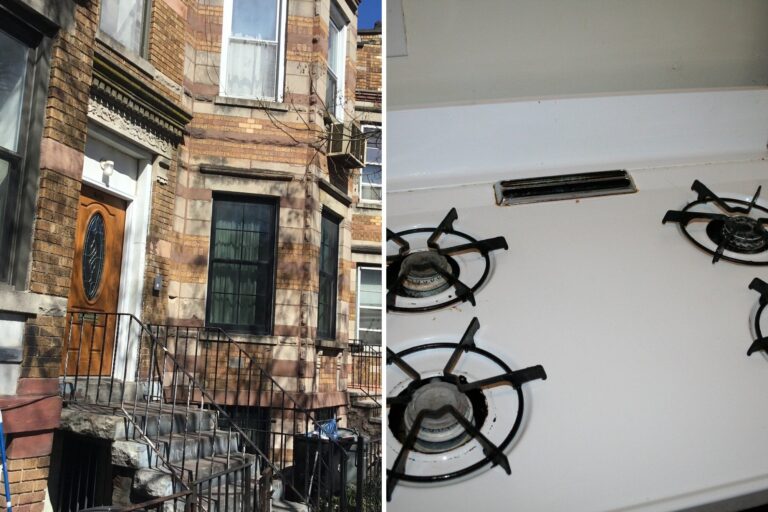
Bushwick residents need look no further than an aging, rent-stabilized four-story building at 149 Irving Avenue to find a classic example of “warehousing” in all its dilapidated glory. Three of the building’s six apartments are vacant, made possible via buyouts of their former occupants by the building’s owner, Ink Property Group. The remaining tenants’ apartments abut these empty units, whose crescendoing decrepitude they say has made their lives increasingly miserable.
Two of the building tenants, Ana Rosa and Benny Santiago, are currently in the process of filing suit against Ink Property for the corporation’s alleged reneging on a deal struck in Brooklyn housing court last year, in which Ink Property agreed to repair both the building’s vacant and occupied apartments. But the case was just the latest salvo in a legal battle that started not long after Ink Property brought the building in 2016.
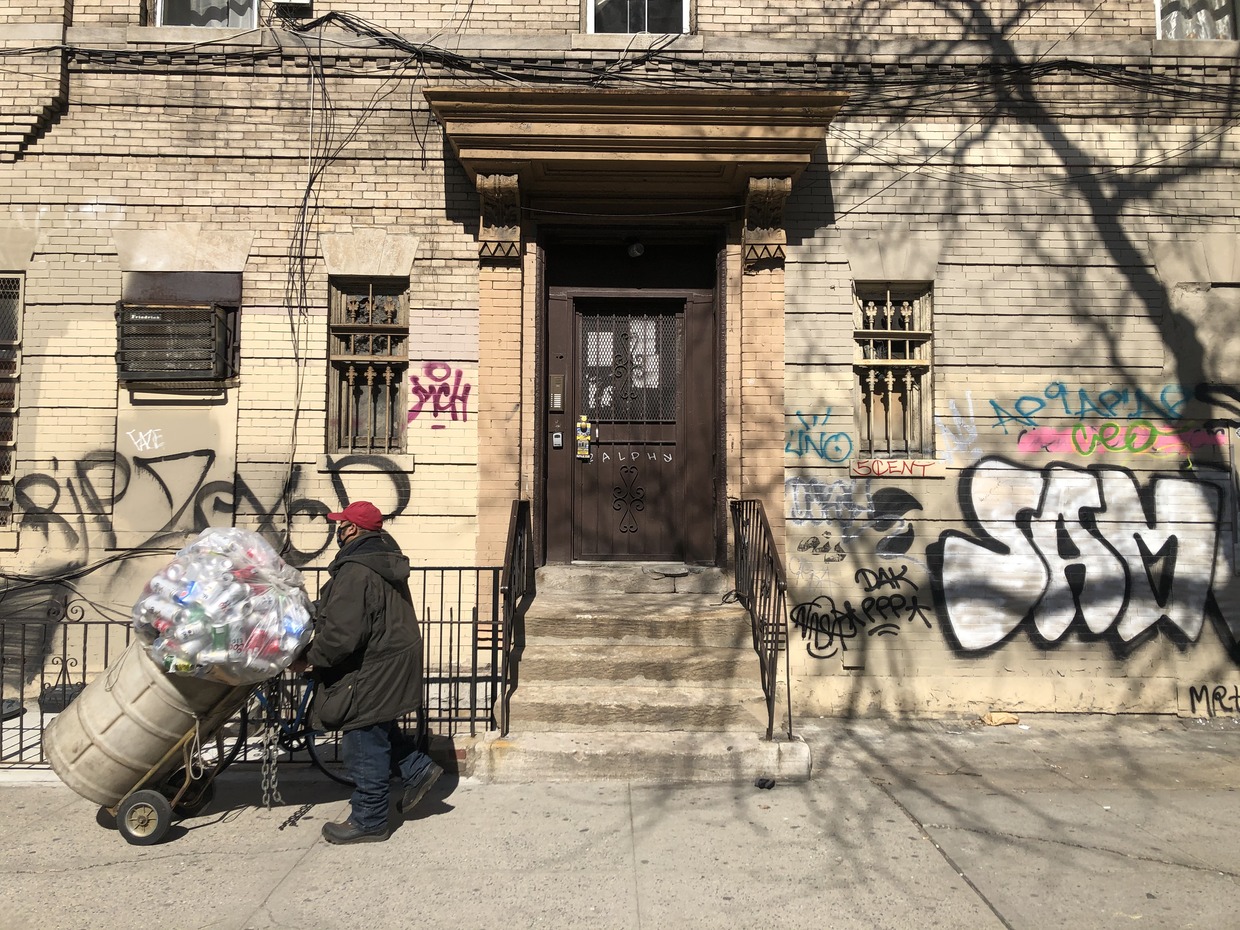
Top photo credit: Matt Fink.