An immigration judge looked at what allegedly happened to Chidozie Okeke during his arrest by ICE in Bushwick and, in open court, said what few judges will: the conduct described in Okeke’s filing, Judge Charles Conroy said, “does appear to be egregious.” Then he declined to do the one thing Okeke’s lawyers asked, throw out the deportation case, and Okeke went back to a cell at the Metropolitan Detention Center in Brooklyn, where he has been held since early May.




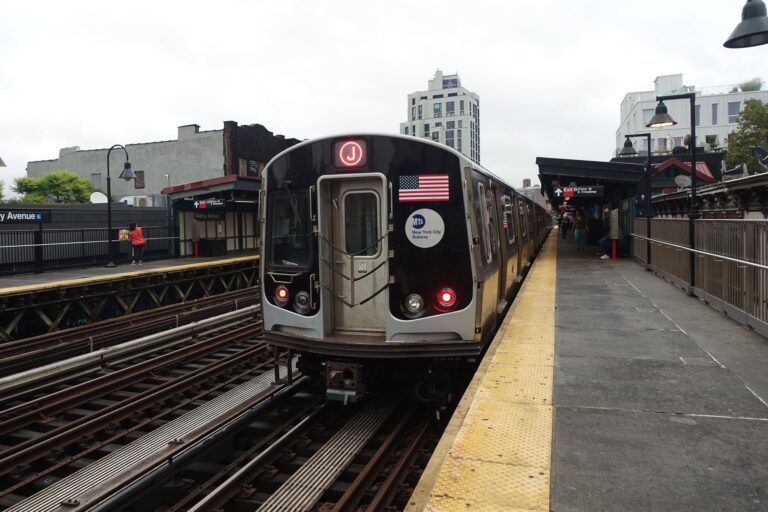
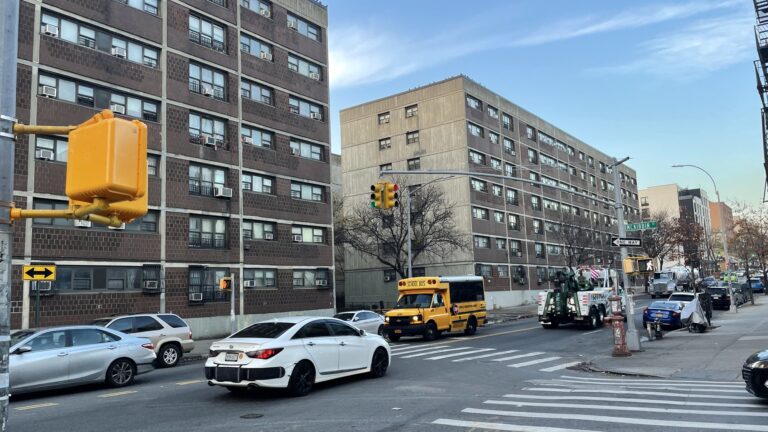
The arrest itself turned a stretch of Bushwick into a confrontation. According to court documents and his attorneys, Okeke, a Nigerian-born Brooklyn resident, was driving to the bank on May 2 when masked ICE agents pulled him over on Gates Avenue without probable cause. From there, his lawyers say, agents smashed his car window, pepper-sprayed him, threatened him with a gun, and beat and tased him before the encounter ended up outside Wyckoff Heights Medical Center.
What happened at that hospital is why many New Yorkers already know this case. Neighbors who spotted the agents called community activists, and roughly 200 people gathered outside Wyckoff Heights. As Gothamist reported, an agent pepper-sprayed the crowd while other agents dragged Okeke, who witnesses described as semi-conscious, from the emergency room across the pavement toward an ICE vehicle that protesters had boxed in. Video of the scene spread widely.
The Department of Homeland Security tells a very different story, and it belongs on the record too. DHS said its officers acted properly and denied beating or tasing Okeke. In the agency’s account, he refused orders to get out of his car and “weaponized his vehicle” to try to hit officers, and DHS described him as a “criminal illegal alien” with prior arrests for assault and drug possession. His lawyers dispute that version. The central facts, who escalated and whether there was any probable cause for the stop, are exactly what the court filing puts in question.
The hearing resolved none of it. Conroy let the deportation proceedings continue even after flagging the alleged conduct, and Okeke is now suing ICE, accusing the agents of violating his constitutional rights. His lawyers have tied the case to a broader pattern of accelerated immigration hearings that, they argue, push people through the system fast enough to invite exactly this kind of dispute. For now he stays detained while it plays out.
This did not happen in the abstract. It happened on Gates Avenue and outside a Bushwick hospital that thousands of people rely on, and the protest that followed was neighbors deciding in real time how to respond to an arrest on their block. Okeke’s immigration case and his federal lawsuit will both move through public dockets. If you want to be ready before you witness an arrest rather than after, the New York Immigration Coalition publishes know-your-rights guidance and a rapid-response hotline for reporting ICE activity, a number worth saving in your phone now.
Featured image: Bushwick Daily archive