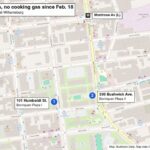

Living throughout Northern Brooklyn my entire life, I have already witnessed how seemingly distant environmental issues have already impacted everyday life. Hurricanes have become stronger, and more frequent; Irene, Sandy, and Ida all come to mind when I think of the powerful storms that have, at times, crippled our city’s public infrastructure. Flooding from Hurricane Ida has kept my own local YMCA, over on Humboldt Street, closed for the last three years. I work as an educational programmer at the Prospect Park Zoo and our offices were fully flooded after Tropical Storm Ophelia last September and they have yet to reopen. I approach each hurricane season with a new trepidation.
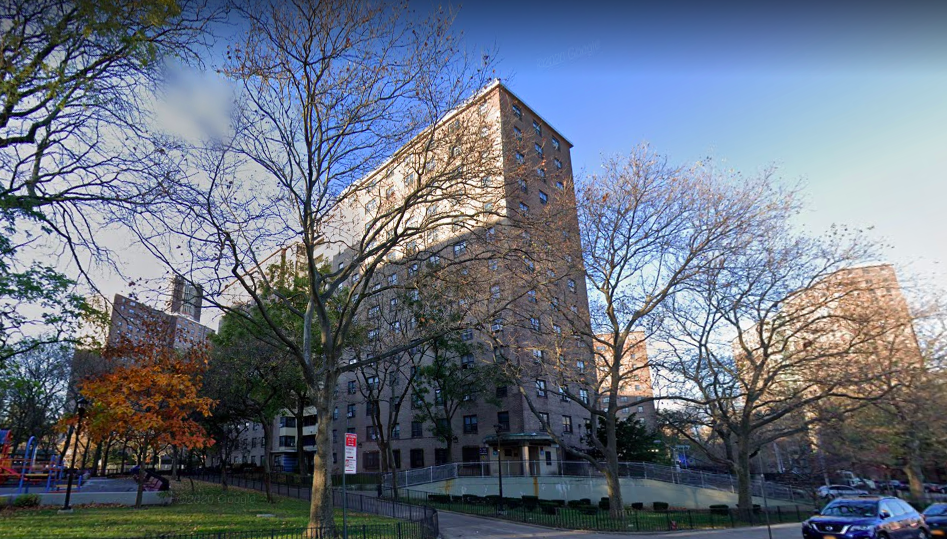
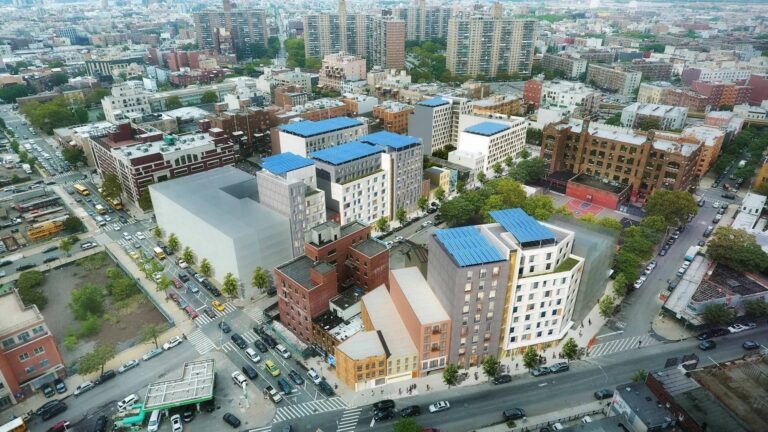
Since 2000, I’ve also lived in Bushwick Houses, a NYCHA housing complex that’s had a spotty history with hurricanes and infrastructure. According to the Center for Disease Control’s Social Vulnerability Index, the buildings clock at a 0.9815, a number that measures a community’s ability to prepare for catastrophic events. Identifying that my block is considered extremely vulnerable was alarming. I recommend others check out their SVI numbers too.
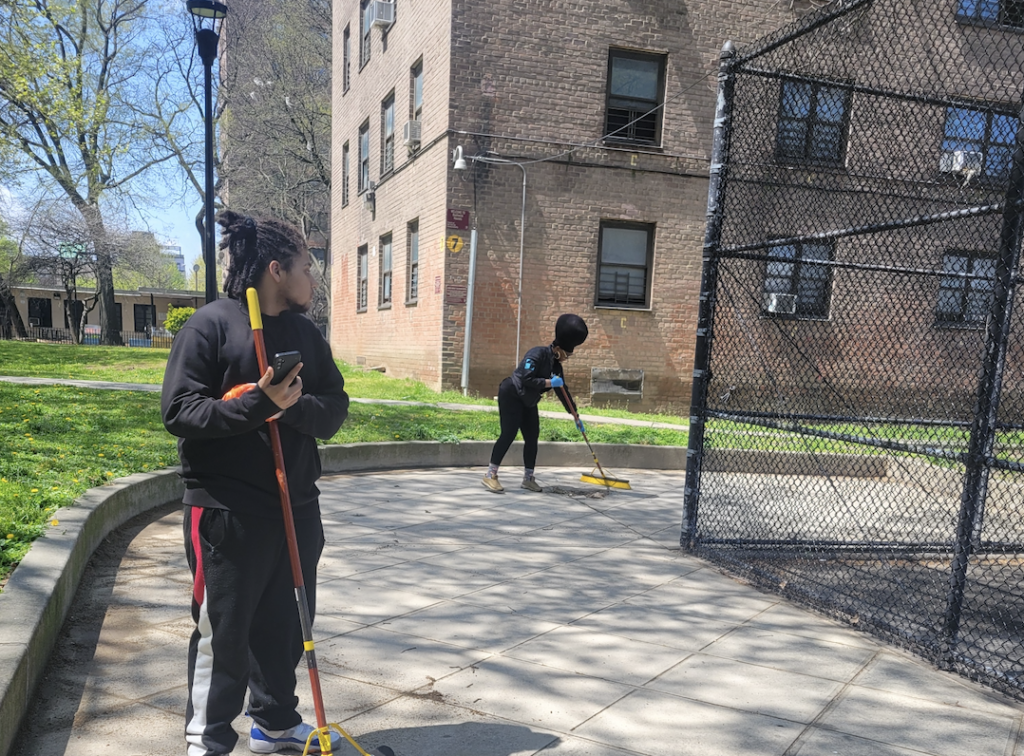
There are many ways to push those numbers down, like building rain gardens, replacing streets and sidewalks with permeable surfaces, reinforcing our combined sewage overflow systems, and reducing street litter to ensure the storm drains remain clear. Creating ways to minimize flooding caused by the excess rain that comes with strong storms. We have seen how damaging and threatening flooding can be. But these improvements can only happen when communities are pushing for change.