New York state lawmakers voted on June 5 to lock in two-person crews on subway trains that already run with two workers, sending Gov. Kathy Hochul a bill that could protect the jobs of roughly 3,600 conductors. Both the state Senate and Assembly passed it in the final stretch of this year’s legislative session, as first reported by AMNY.




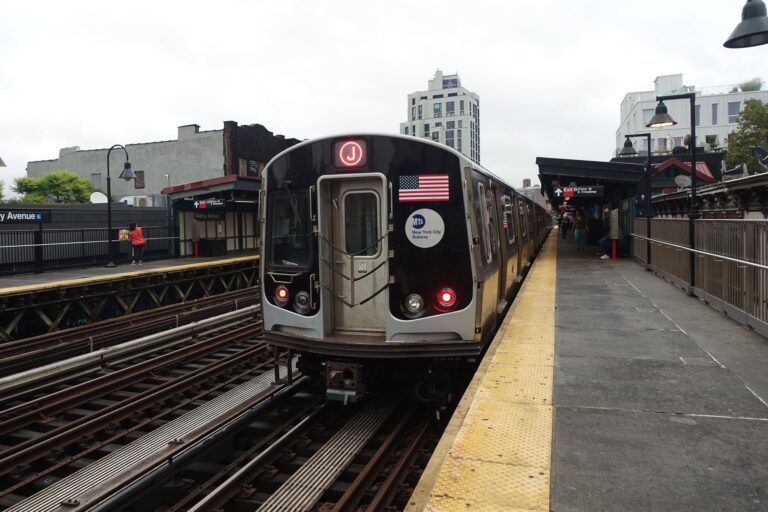
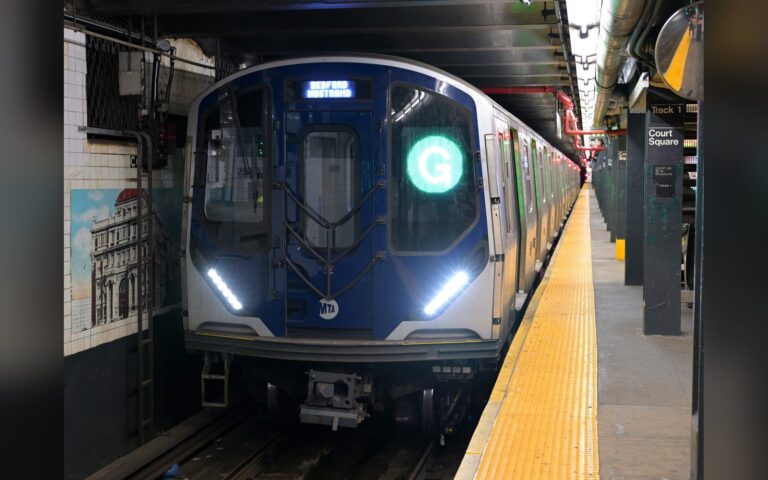
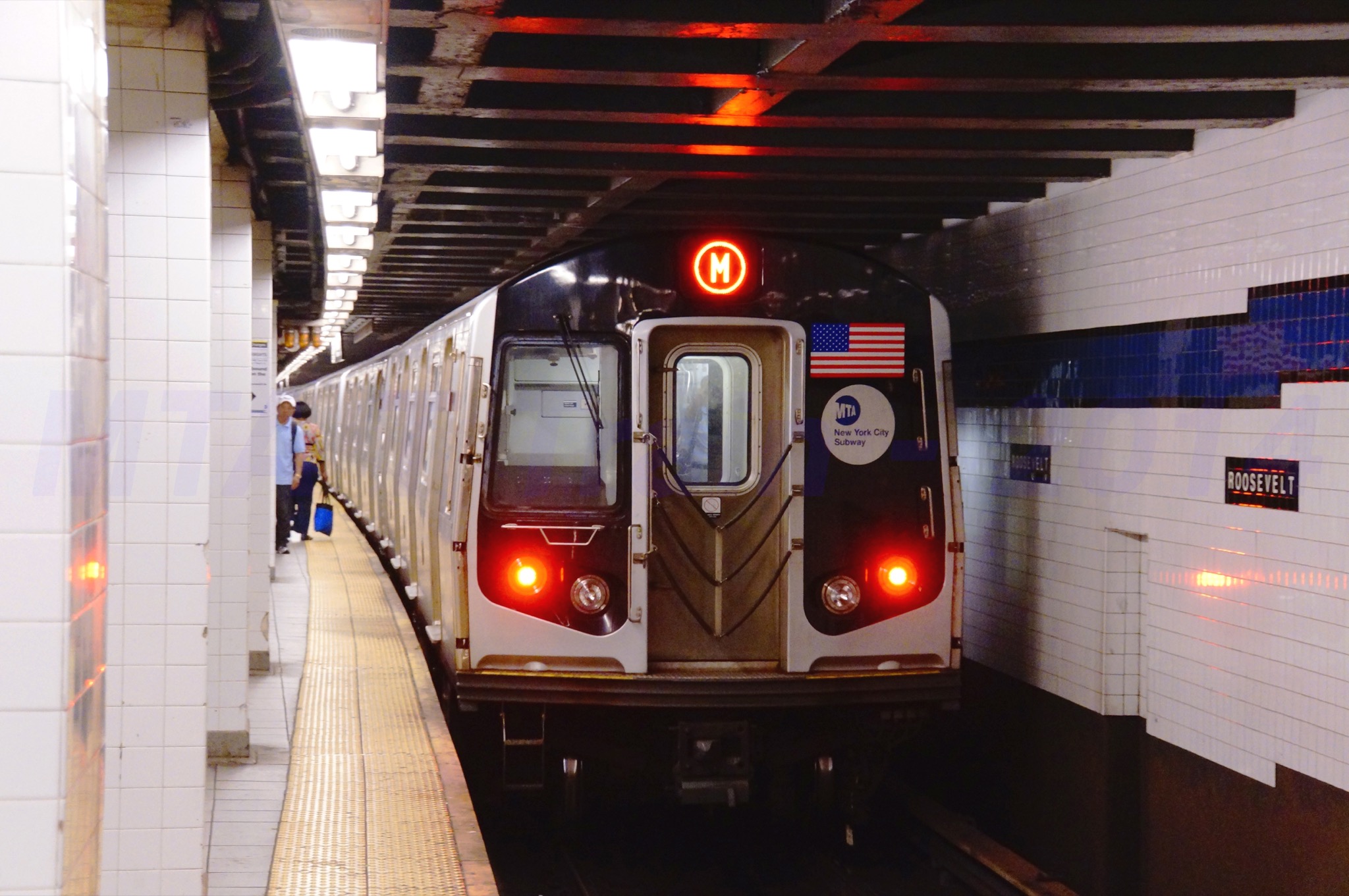
Most subway trains run with two people: a driver up front and a conductor who works the doors and handles safety. The bill, S9586-A, amends the public authorities law to require the New York City Transit Authority to keep “at least one conductor on board” any passenger train that currently has one. It does not touch the lines that already run with a single worker, which the MTA calls one-person train operation, or OPTO. That includes the three shuttle services and certain lines during off-peak hours, where an automated system handles the conductor’s job.
That carve-out is the whole strategy. The Transport Workers Union, which represents the conductors, pushed a version of this bill last year and got it through both chambers. Hochul vetoed it, pointing to an extra $10 million cost tied to putting human conductors back on trains that had already gone to OPTO. This year’s version drops that piece entirely and only freezes the status quo on lines that still have two crew members.
“We crafted the bill to meet the governor’s objections to the bill,” TWU International President John Samuelsen told AMNY. “So the bill that’s going to go to her desk addresses the objections that she put forth in her veil message last year.”
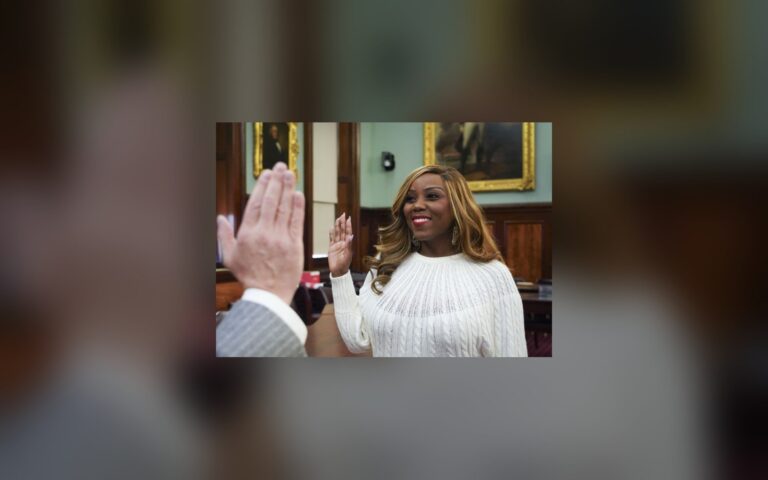
The measure was sponsored by state Sen. Kevin Parker, a Brooklyn Democrat, and Assembly Member Monique Chandler-Waterman, also a Brooklyn Democrat. Its legislative findings frame conductors as safety personnel, arguing that with an estimated 10,000 passengers packed onto each train during rush hour, having a trained worker other than the driver on board is necessary to get riders out safely during emergencies in tunnels or over bridges.
The timing matters because TWU is negotiating a new contract with the state and the MTA right now. Samuelsen said writing two-person operation into law would take the issue off the bargaining table, where he expects the agency to come after conductor positions.
“I think their ultimate goal is to try to beat the TWU at the bargaining table and get rid of the conductors,” Samuelsen said. “And knowing that that is the ultimate goal, that’s why we want the bill passed.”
The MTA opposes the bill, along with a number of good government groups. MTA spokesperson Eugene Resnick said in a statement that “this bill seeks to legislate restrictions on how service can be delivered, which does not work for riders who rely on transit.”
Now it goes to Hochul, who has not said whether she will sign it. “The governor will review the legislation,” Hochul spokesperson Sean Butler said in a statement. If she signs, the law takes effect immediately and would block the MTA from cutting conductor positions on any covered line down the road.
Featured image: Bushwick Daily