The MTA in July listed the Myrtle Av junction, where J, M and Z trains merge above Broadway, and the L from Myrtle-Wyckoff Avs to Canarsie among 25 subway bottlenecks it will study for fixes, but its current capital plan pays to fix neither.
On an average weekday, 11 to 20 of the roughly 560 J, M and Z train trips the MTA schedules take more than three minutes longer than planned to get through the junction, according to the report. Those lines are also among the least reliable in the subway for riders. From January through October this year, about one in five trips on the M and on the J or Z ran more than five minutes late, compared with 15 percent across the system, according to MTA performance data. What the MTA is paying for at the station, from its previous five-year plan, is $82.6 million in work to add elevators, due in October 2028.
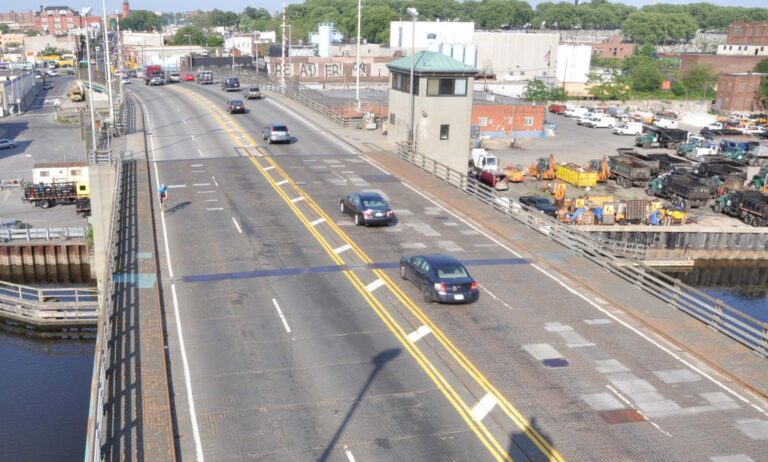
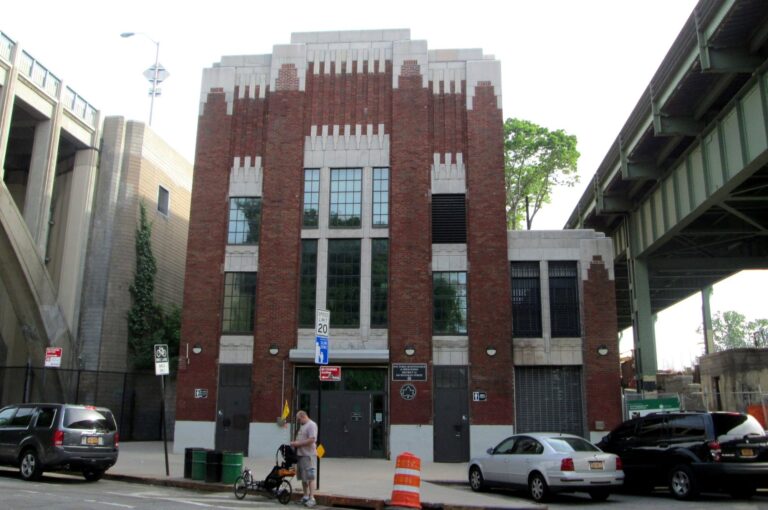
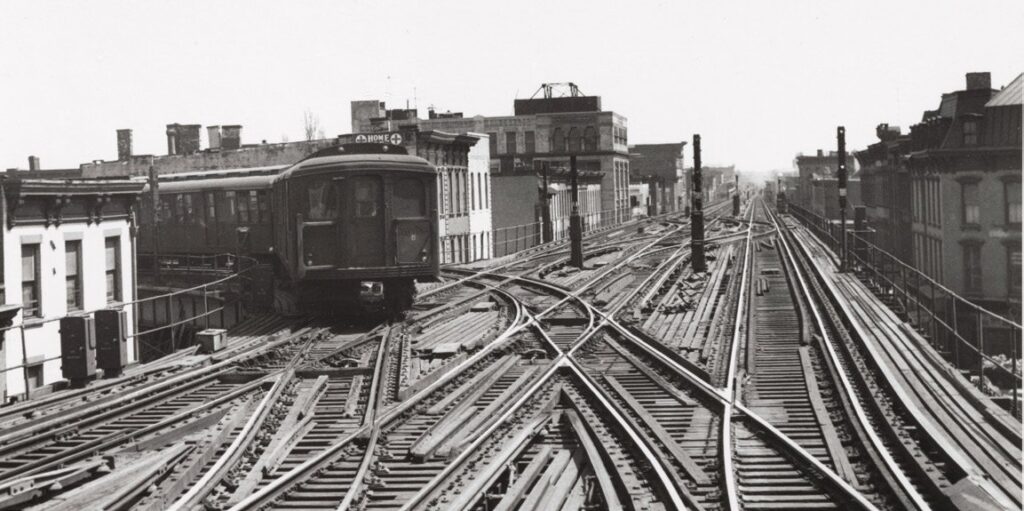
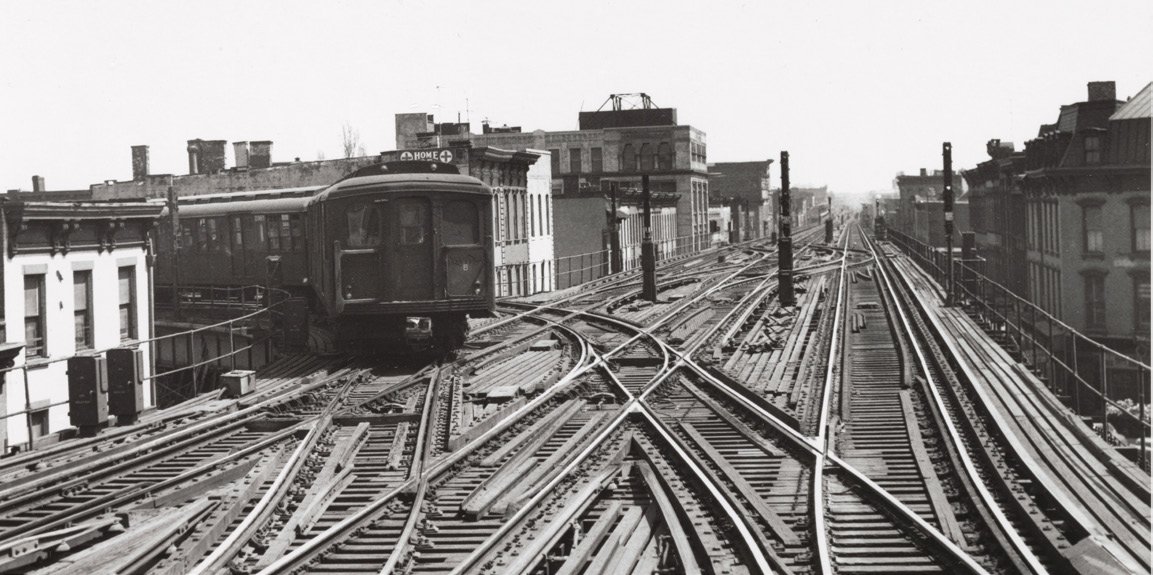
The report classifies Myrtle Avenue-Broadway as an interlocking and signal bottleneck, a place where trains switch tracks and merge under old signals. It describes the junction as a “busy merge point with slow switches and legacy signal capacity constraints.” Its appendix counts 110,000 riders on the lines through the junction during the evening rush, from 4 to 7 p.m., counted along the full length of those lines. It rates the capacity a fix would add as high and the capital cost as medium. The junction between the J and M trains at Myrtle Avenue has been a bottleneck for decades, the report notes, beside photos of it in 1950 and 2026.