Mayor Zohran Mamdani’s first New York City budget started in a hole, and the way out ran through Albany. His opening plan leaned on a property-tax increase and the city’s savings; the version he landed on balances only because the state stepped in, and even then the gaps mostly moved to later years.



The $127 billion preliminary budget he released in February counted on a property-tax rate increase of more than 9 percent and drew down city reserves, including the rainy-day fund, to balance, a reserve drawdown State Comptroller Thomas DiNapoli called deeply concerning. Within weeks, Mamdani and Council Speaker Julie Menin were asking Albany for help closing the gap.
Albany delivered, and the picture changed. The $124.7 billion executive budget he put out in May abandoned the property-tax hike and stopped raiding reserves, closing an estimated $5.4 billion gap with state assistance, including pension relief the state estimated would save the city more than $2 billion and roughly $500 million from the new state pied-a-terre tax on luxury second homes.
The catch is that the rescue is mostly temporary. City Comptroller Mark Levine warned the budget leans on $2.8 billion in one-time measures and $2.3 billion in short-term pension savings, with out-year gaps growing from $7.1 billion in 2028 to $9.8 billion by 2030. In other words, the budget looks balanced this year because the harder math was deferred to the next mayor and the next Council.
That is the through-line of a first budget written under pressure: a plan that opened with a tax hike and a raid on savings, was pulled back from both by a state bailout, and now balances on one-time fixes while the structural gap quietly widens down the road.
The fight is not over. The city budget has to be adopted by July 1 after negotiations between the mayor and the Council, which means June is when the trade-offs get made. The Council’s budget hearings are public and are where you can see which programs get funded and which get squeezed before the deal is signed.
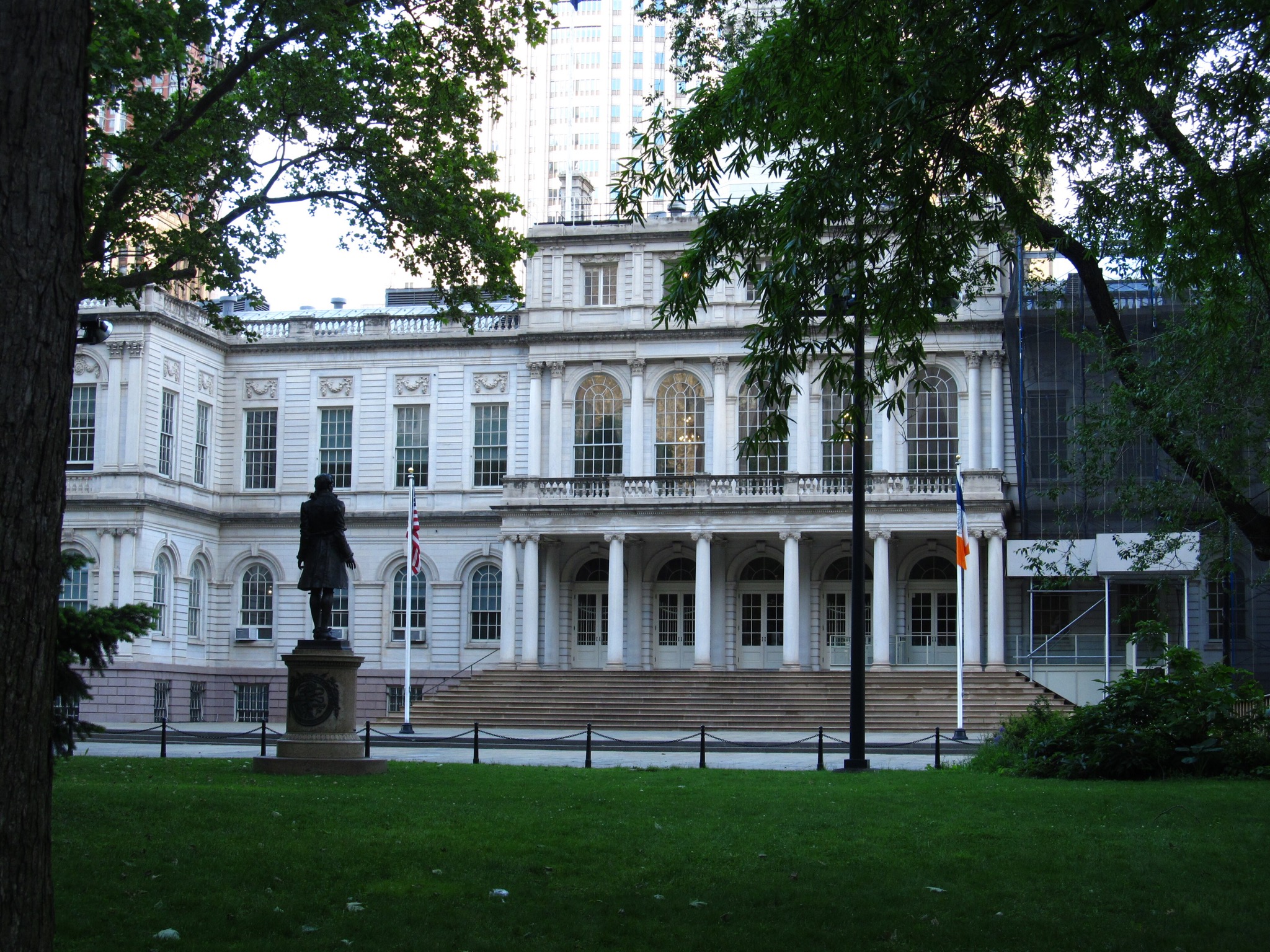
Featured image: Ken Lund from Reno, Nevada, USA / CC BY-SA 2.0, via Wikimedia Commons