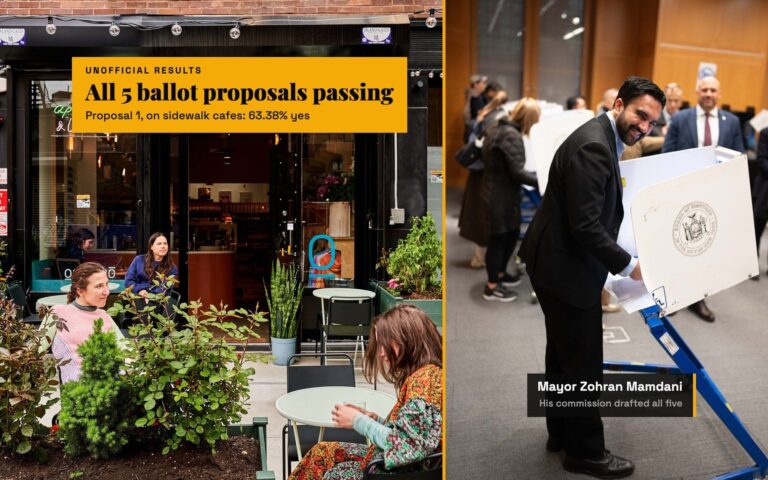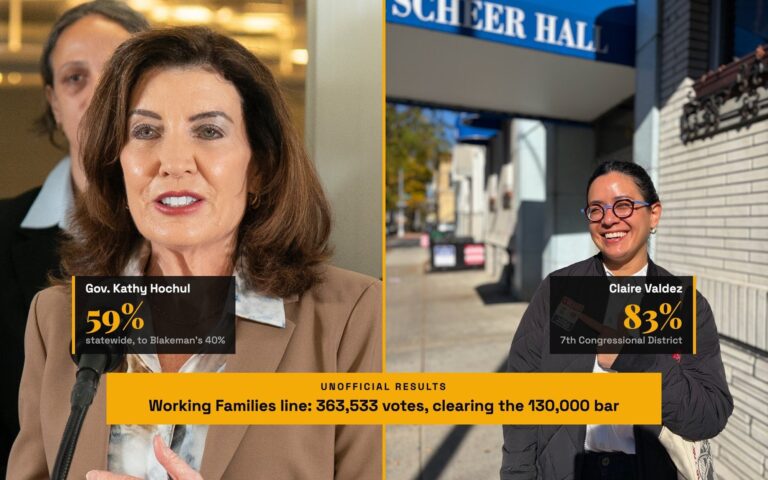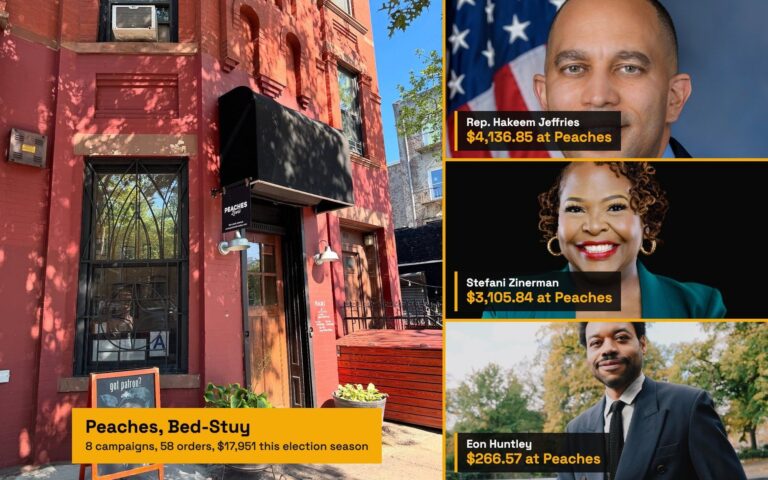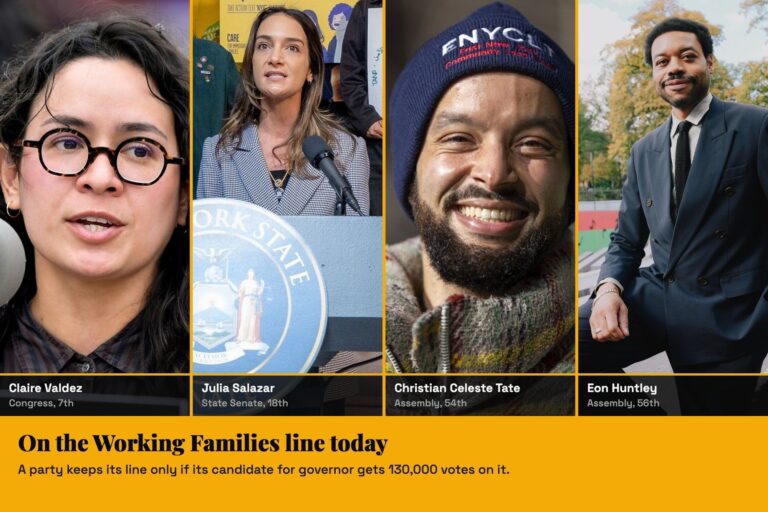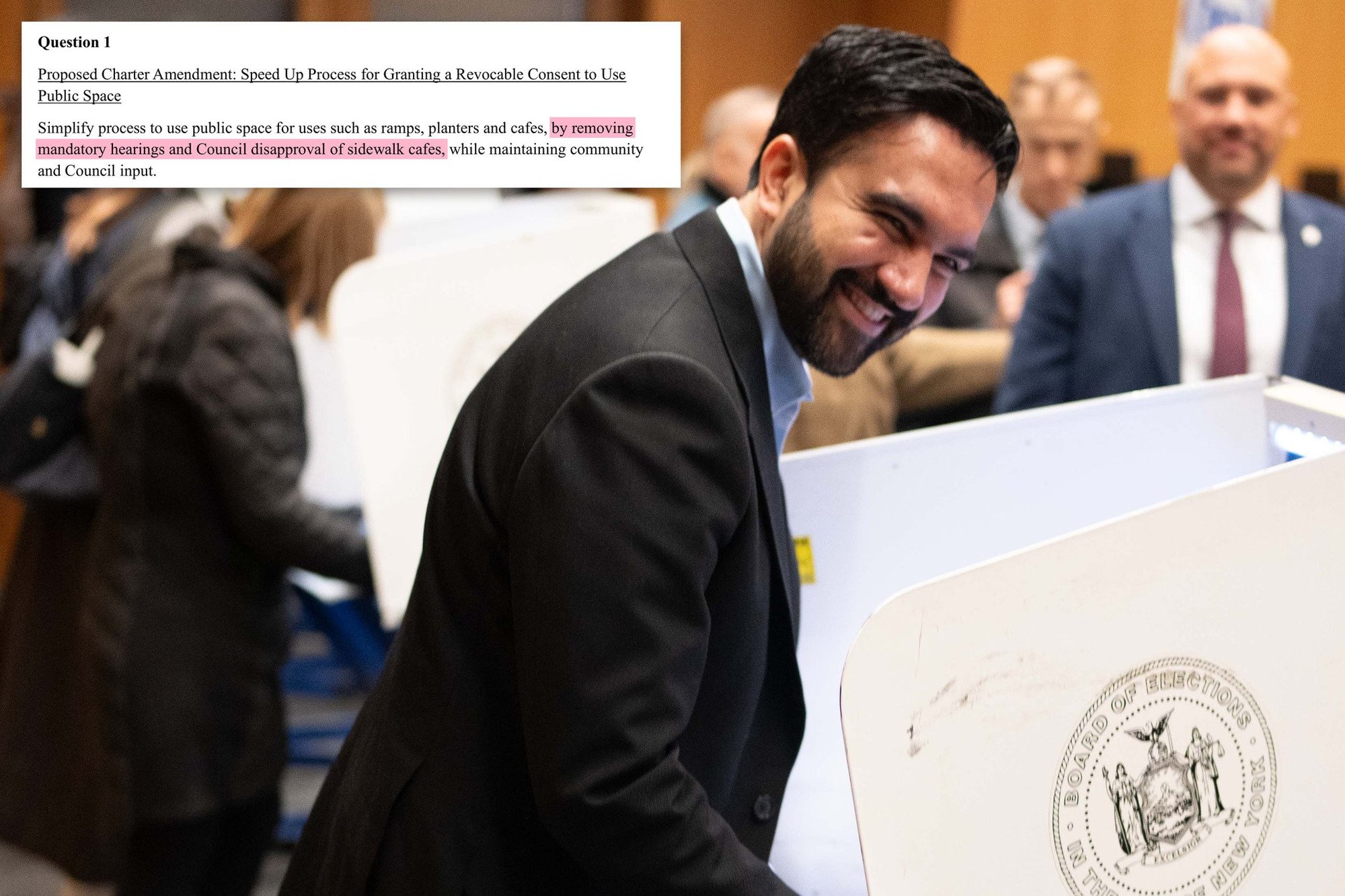
New York City voters are deciding five proposed amendments to the City Charter on the November 3 ballot, a slate drafted by Mayor Zohran Mamdani’s Commission on Government Efficiency that would speed up approvals for outdoor dining, city contracting, street safety projects and construction permits, and set a savings target for the city’s rainy day fund. Early voting ran through Sunday, November 1, and polls are open from 6 a.m. to 9 p.m. on Election Day, Tuesday, November 3.
Mamdani convened the commission, which branded itself COGE, in May and charged it with reviewing the entire City Charter for ways to modernize city government. Led by Chair Patrick Gaspard, a former diplomat and Democratic National Committee executive director, the commission held 10 public hearings across the five boroughs over the summer, drew more than 1,220 attendees and 264 live testimonies, and released its five proposals in July.
The commissioners include District Council 37 Executive Director Henry Garrido and John Jay College political scientist Susan Kang.
“In every borough, at every hearing, New Yorkers told us again and again that they want a government that works at the same speed and efficiency that they do each day,” Gaspard said when the commission released the proposals.
Here is each question as it appears on the ballot, and what it would change.

Question 1: Outdoor dining, ramps and other uses of public space
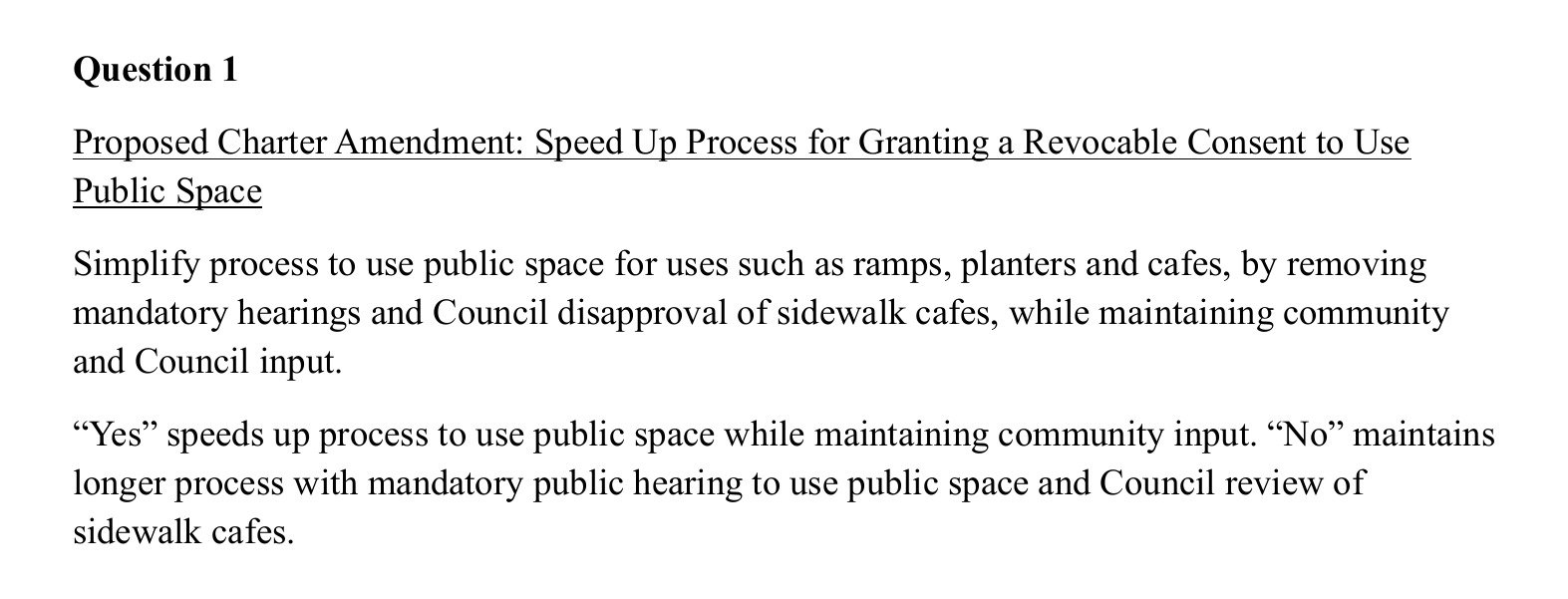
Proposal 1 would streamline how the city approves the use of public space for outdoor dining, accessibility ramps, benches, planters and sidewalk cafes.
It would combine the separate sidewalk café and roadway café applications into one, make public hearings discretionary rather than mandatory, end the requirement that applicants pay to publish newspaper advertisements, and remove the City Council’s authority to reject individual sidewalk café permits. Community boards, council members and borough presidents would still be notified and could submit comments.
The commission estimates that the change, paired with an internal Department of Transportation push to clear its backlog, would cut the outdoor dining application process from about eight months to two and save restaurants up to $1,800 in application costs. If approved, the change would take effect March 1, 2027, and would not apply to applications already filed.
Andrew Rigie, executive director of the NYC Hospitality Alliance, called it “a commonsense reform” in comments to City Limits, while Common Cause New York and the Center for Independence of the Disabled in New York told City Limits the shift to an online comment portal comes at the expense of public participation and legislative oversight.
Question 2: City contracting and the Procurement Policy Board

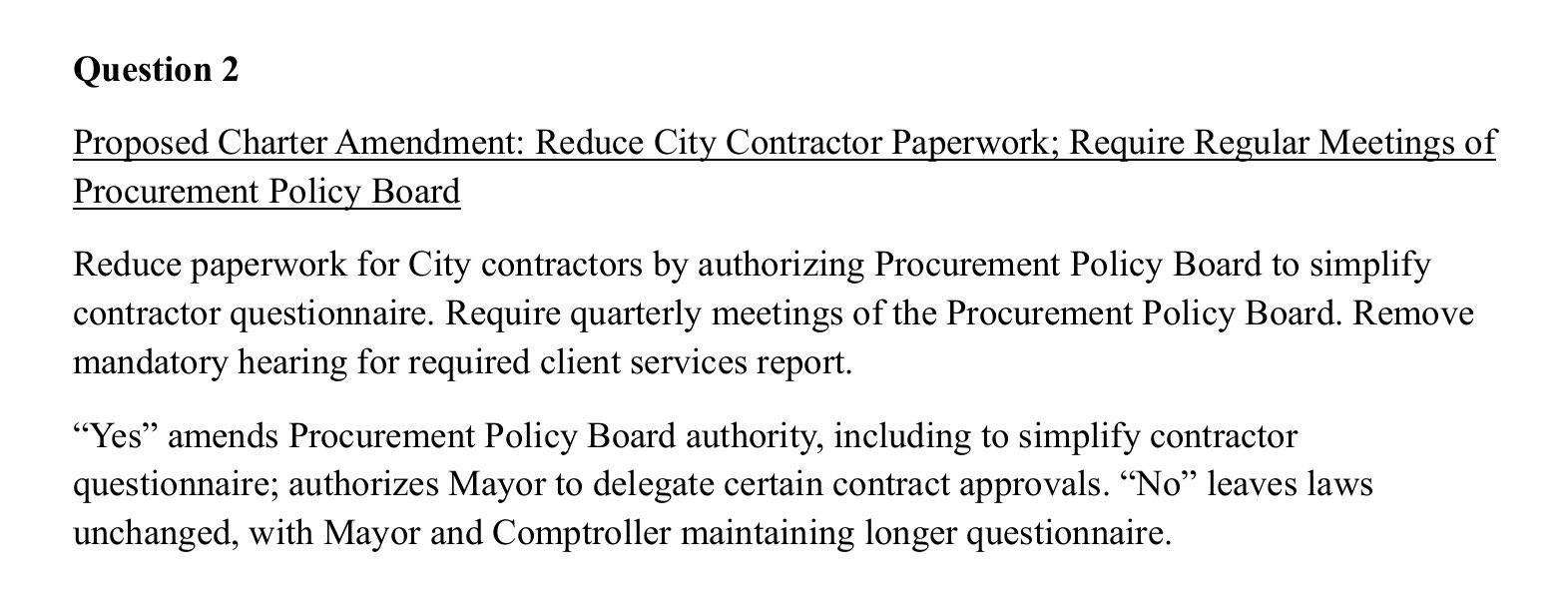
Proposal 2 would change the city’s contracting process. It would authorize the Procurement Policy Board to simplify the pre-contracting questionnaire that vendors must complete regardless of contract size, require the board to meet at least once every three months, allow the mayor to delegate certain noncompetitive contract approvals over $5 million to agencies, make permanent a written public comment period in place of an in-person hearing, and drop a required hearing on agencies’ annual client-services plans.
COGE says the ballot changes would save up to 30 days on procurements, which currently run a median of about 13 months. Separately, the commission said internal reforms moving nonprofit discretionary awards from procurements to grants have cut some payment timelines from 10 months to six. The Procurement Policy Board meeting requirement would take effect January 1, 2027.
Question 3: Street safety projects, surplus city land and office leases
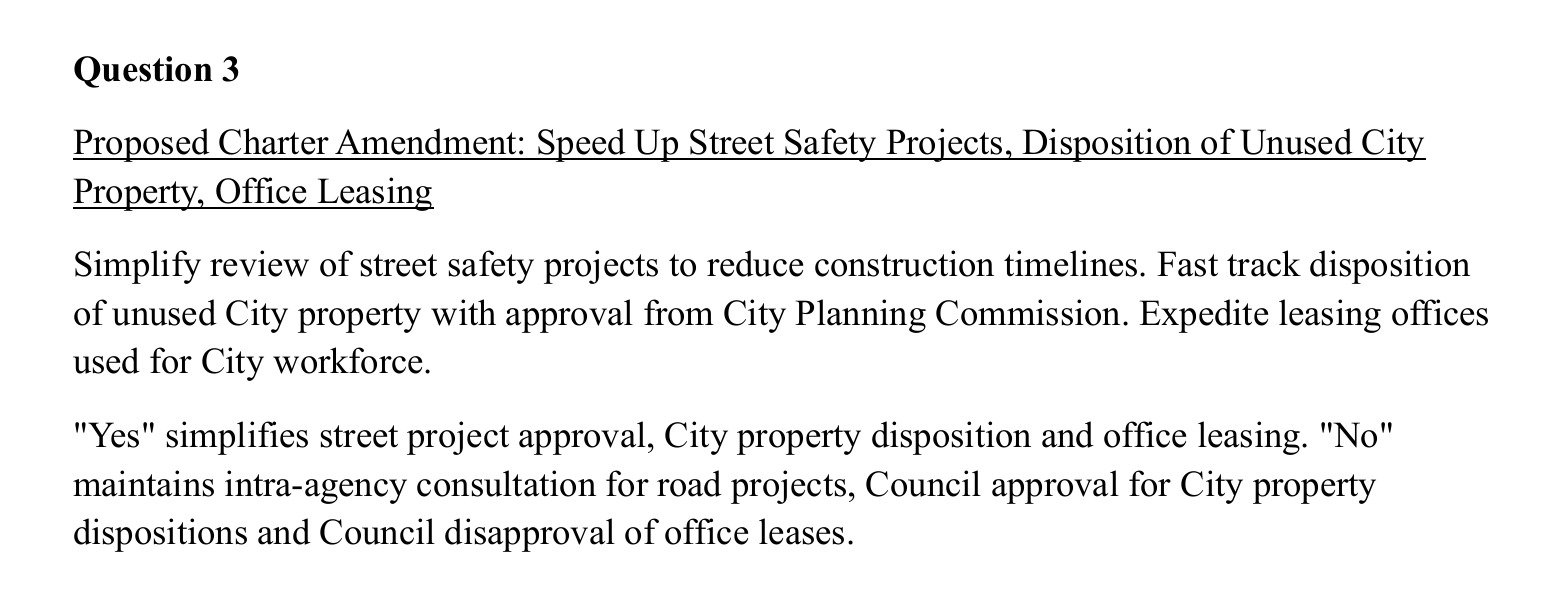
Proposal 3 bundles three changes. It would simplify the review of major transportation projects by removing the requirement that sub-units within consulted agencies sign off, let DOT begin urgent street-safety work before completing community presentations, and provide that technical errors in interagency consultation could not invalidate a project in court. The commission projects the changes would speed street safety projects, including bike and bus lanes, by at least 33 percent.
The proposal would also route the sale of small surplus city lots under 10,000 square feet through an expedited land-use review, cutting that timeline from roughly seven months to 90 days, and would remove the City Planning Commission hearing and City Council disapproval for office leases. COGE estimates the land provisions could unlock more than $200 million in revenue from surplus lots and air rights over city-owned landmarks.
The Municipal Art Society of New York criticized the measure for bundling “three loosely connected proposals” into one question and for failing to address open space and affordable housing, its communications manager Viviane Eng told City Limits.
Question 4: A central construction permit hub and waterfront permits
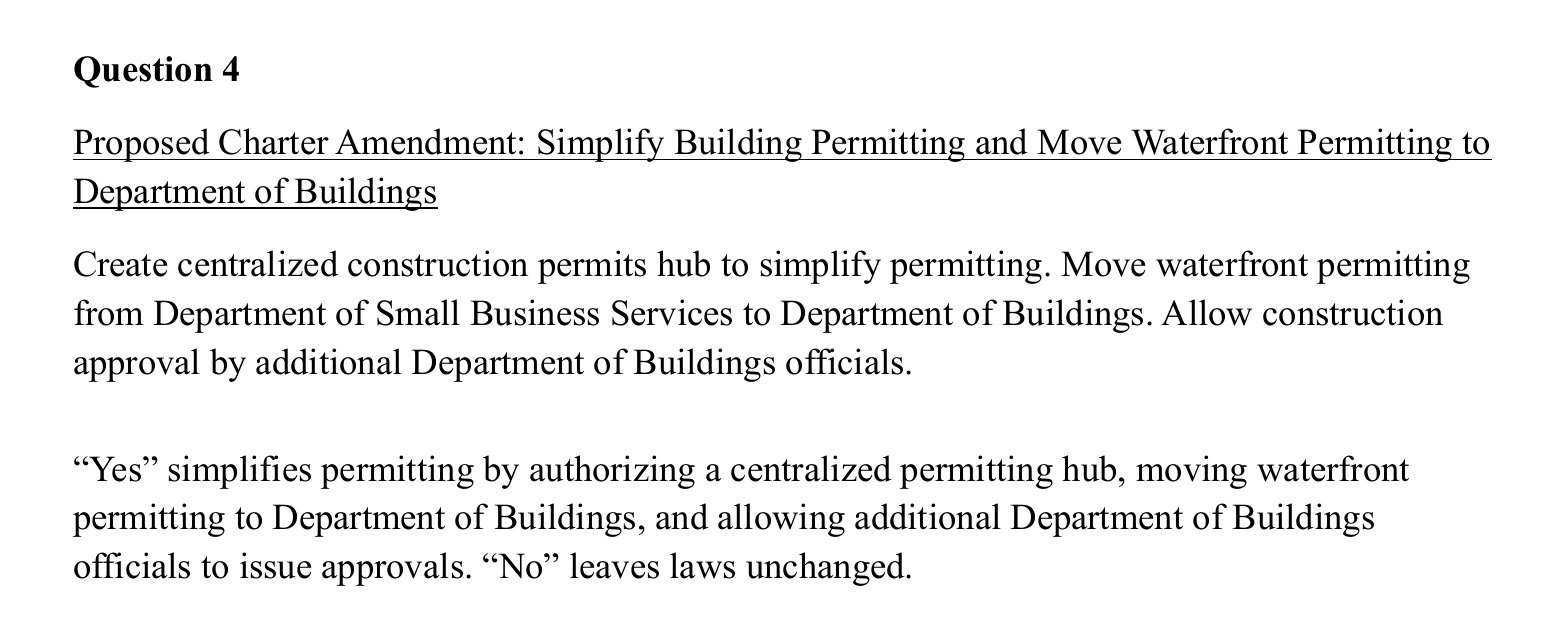
Proposal 4 would create a centralized online construction permitting hub overseen by the Department of Buildings, consolidating 40 approvals now spread across 18 offices and agencies into a single point of entry, to be built by 2030.
It would also transfer waterfront permitting from the Department of Small Business Services to the Department of Buildings and allow additional Buildings officials to approve certificates of occupancy.
Question 5: A savings target for the rainy day fund
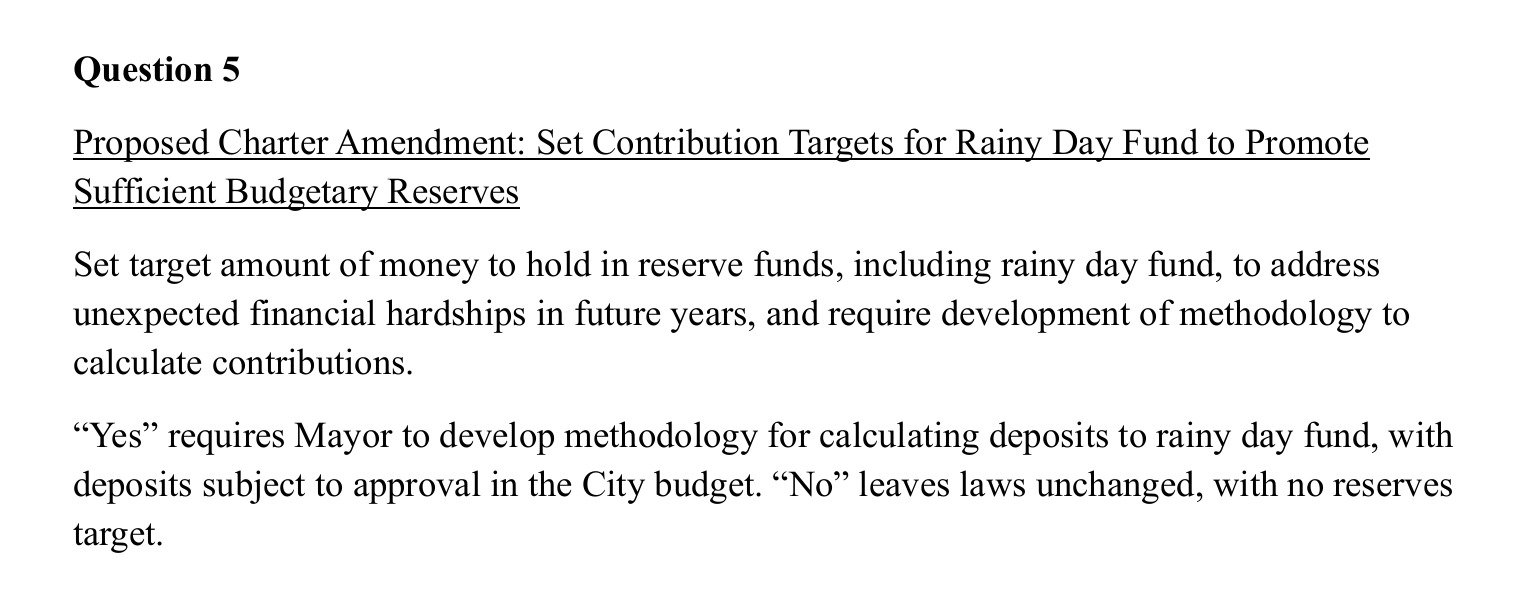
Proposal 5 would set a target for the city’s Revenue Stabilization Fund, its rainy day fund, equal to 12 percent of the prior year’s tax revenue. The fund held about $1.97 billion at the end of the 2025 fiscal year.
The measure would require the Office of Management and Budget, in consultation with the comptroller, to develop a deposit methodology by May 2027, and would cap withdrawals at 50 percent of the fund in any year unless the mayor certifies a compelling fiscal need.
The proposal has drawn opposition from fiscal watchdogs who say it does not go far enough. In an April report, Comptroller Mark Levine’s office recommended a 16 percent target. The Citizens Budget Commission and Reinvent Albany are urging a no vote. “Voting no on Proposal 5 does not oppose strengthening the Rainy Day Fund,” CBC President Andrew Rein wrote in an October op-ed cited by City Limits. “It is a vote declaring the status quo is not good enough, and the city should do better.”
The campaign and the opposition
City Hall budgeted $1.6 million for a public-education campaign called “Vote on Faster Government,” which includes advertising, canvassing and materials in 13 languages. Executive Director Ann Cheng told amNewYork the commission was not taking a position on the measures. “We are not recommending how they vote,” she said, though she described the proposals as changes that “will objectively make government move faster.” The city charter bars government from advocating for or against ballot proposals, The Rockaway Times reported, and good-government watchdogs questioned whether the ad campaign crossed into electioneering, the Daily News reported.
Republican officials oppose all five measures, and some civic groups oppose some of them. Rockaway Republican Club President Mary Glynn said at an October rally that voters should reject the slate, The Rockaway Times reported: “Anytime you vote, ‘Yes,’ it’s just more money out of our pockets.” John Cori, a member of Community Board 14 who said he is a registered independent, told the same outlet he was voting no on all five, arguing each proposal takes away community input.
The New York Post editorial board urged a no vote on all five. Layla Law-Gisiko, president of the City Club of New York, told the Queens Ledger her objection “is not that government should remain slow” but that “efficiency should come from better government, not simply from fewer points at which the public, Community Boards, elected representatives or independent reviewers can intervene.”
How to vote
Polls are open from 6 a.m. to 9 p.m. on November 3. Voters can review the full text of the five proposals on the Board of Elections site and find their poll site at findmypollsite.vote.nyc. The commission’s guide to the measures is posted at nyc.gov/fast.