New York State environmental regulators want to reclassify Newtown Creek, the industrial waterway separating Brooklyn from Queens, in a move that would lock in the strongest water quality protections the creek has ever had, and the public has until November 30 to comment. The state Department of Environmental Conservation announced the proposal on September 4, formally published it in the State Register on September 16, and will hold public hearings on November 16 and November 19.
The change is technical on paper and big in practice. DEC wants to bump Newtown Creek up from Class SD, the state’s designation for waters not held to recreation standards, to Class I, which adds protections for what the agency calls secondary contact recreation, meaning boating, and tightens the rules meant to keep aquatic life alive in the water. In plain terms, the state would be legally committing to keep the creek clean enough to paddle on and healthy enough for fish, and then holding polluters to that bar.
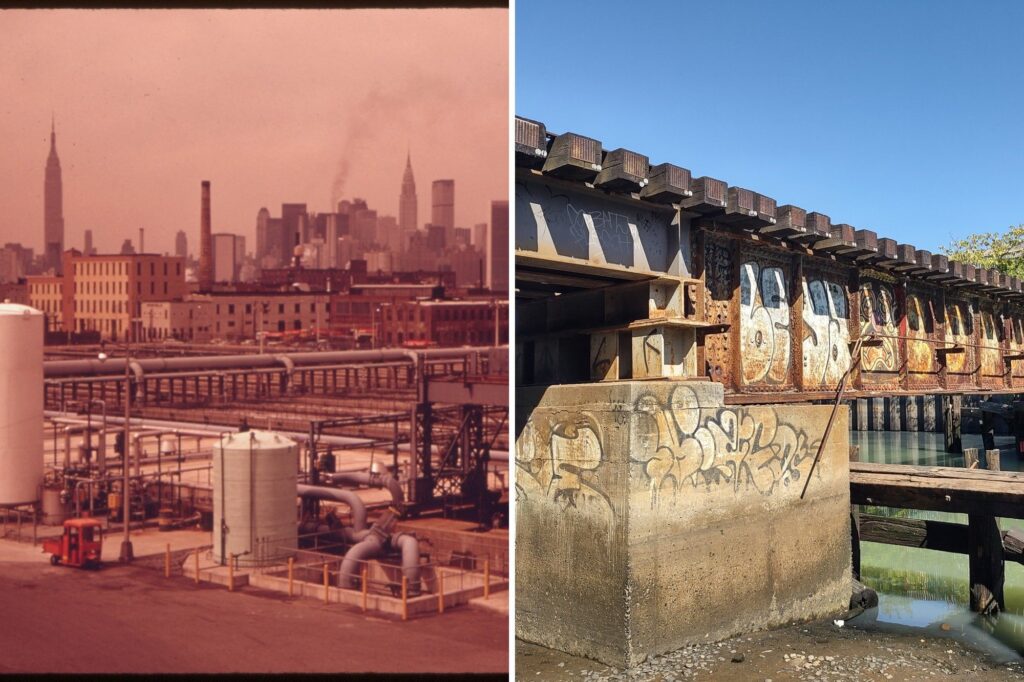
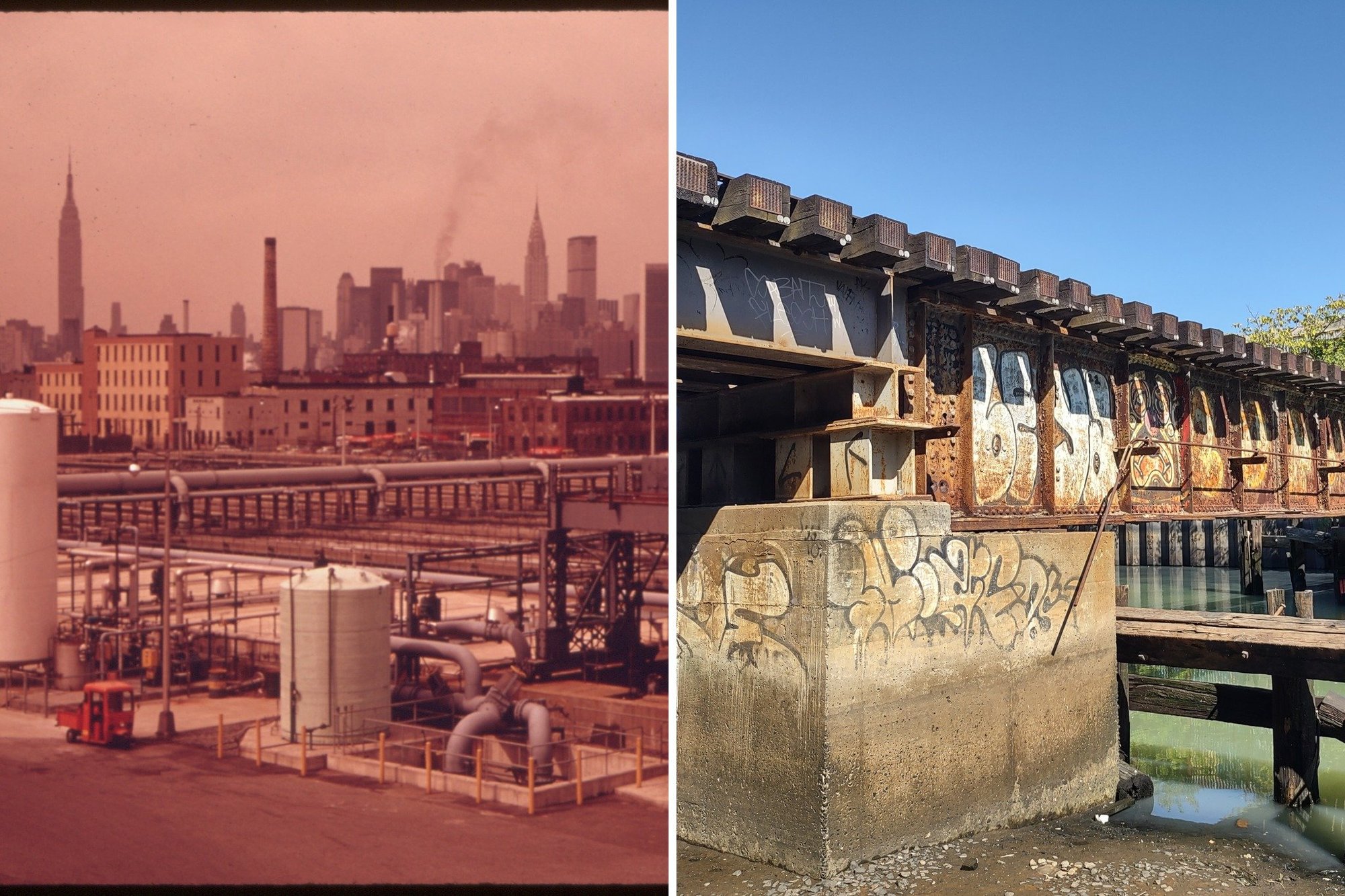
Newtown Creek runs along the edge of Greenpoint and East Williamsburg, and it has spent most of the last century as a dumping ground. DEC describes it as a waterway shaped by a long history of industrial activity and maritime operations, with legacy pollution from that era compounded by combined sewer overflows, the events where a hard rain overwhelms the sewer system and sends untreated sewage straight into the water. Limited recreation on the region’s saline waters, the agency says, has historically been a consequence of exactly that kind of overflow, a problem shared by most big cities in the Northeast.