

This weekend the New Museum celebrated its third year of IDEAS CITY, a collaborative initiative that seeks to use the arts to revitalize urban space as a forum for discussion and culture enrichment. Among the hundreds of participants, two women, Meenakshi Thirukode and Jasmine Wahi, push the mission of the three-day event, truly challenging the concept of art and space, and art in space. Brought together serendipitously and slightly prophetically, Thirukode and Wahi have combined their art world/business savvy with their passion for the expansion of art in public urban spaces to create the timely Project for Empty Space (PES). The foundation, brainstormed by the partners in 2010, focuses on transforming under-utilized or typically non-art spaces into temporary performance art venues. They seek to change perceptions and to stretch the impact of art in an urban environment, making it more accessible to the city’s entire population. As a second act to this weekend’s collaboration with The Other Theater, Etiquette for Lucid Dreaming, PES will host the event again, this time at Brooklyn Fire Proof in Bushwick on Tuesday May 7th.
If you build it they will come. This clichéd and overused mantra of a bygone generation of baby boomers speaks volumes for a certain, outmoded way of thinking about the art world. This phrase might have justified the proliferation of certain art-centric neighborhoods like SoHo, Chelsea, and even Williamsburg, as these neighborhoods were transformed from down-and-out artist slums to the glitzy and glamorous dealer-centric art meccas that they are today. As the art world shifts, artists, gallerists and other art professionals are in search of new ways to open up the frontiers of the city, and rather than finding new neighborhoods, often they are finding usable space is the unlikeliest of places – right under their noses. Thirukode and Wahi have recently sparked the interest of the New York art world, both in Bushwick and beyond, as they seek to shift the focus away from pristine “white box” art spaces to more organic, raw, and unused spaces all over the city. While discussing Etiquette for Lucid Dreaming, the phrase “Where there’s a will, there’s a way” comes more to mind. The partners have taken their knowledge and expertise of art and art business and used it to help revitalize buildings forgotten within the urban environment, transforming them into dynamic performance art venues.
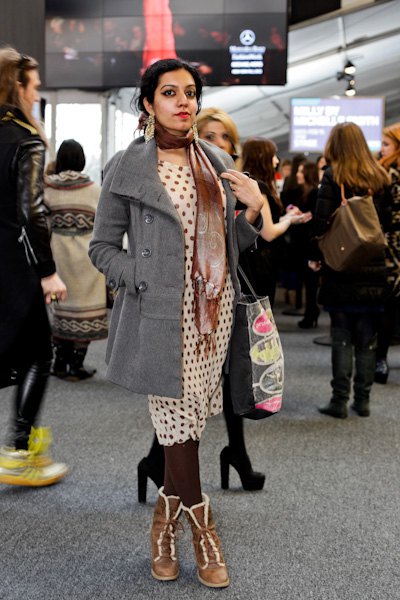
If you had asked Thirukode and Wahi four years ago if today they would be running a nonprofit arts organization, they might not believe it but they probably wouldn’t be surprised either. Both women come from an art business background, specific to the South Asian art market, crisscrossing each other’s paths at Christie’s Auction House. Looking back at how PES got started, Thirukode reflects, “We [both] wanted to function outside the commercial realm, and focus more on enabling artists and doing work that engaged the community.” They saw the commercial art world as somewhat disembodied from everyday life, and wanted instead to work with art “in a way that empowers communities and creates a valuable connection between the city and its people…[art is] actually the catalyst for real social change.” What started as a casual conversation about the accessibility of art and its ability to truly effect social change quickly transformed into what would become the mission of PES.