

If you live in Bushwick, Williamsburg or Cypress Hills, the state senator who represents you went into this year’s budget fight with one demand: make billionaires, millionaires and big corporations pay more. The roughly $268 billion budget Albany finally passed, the latest enacted in 16 years, did not do that. The new taxes it added hit nicotine pouches like Zyn and luxury second homes, not big incomes or Wall Street profits.
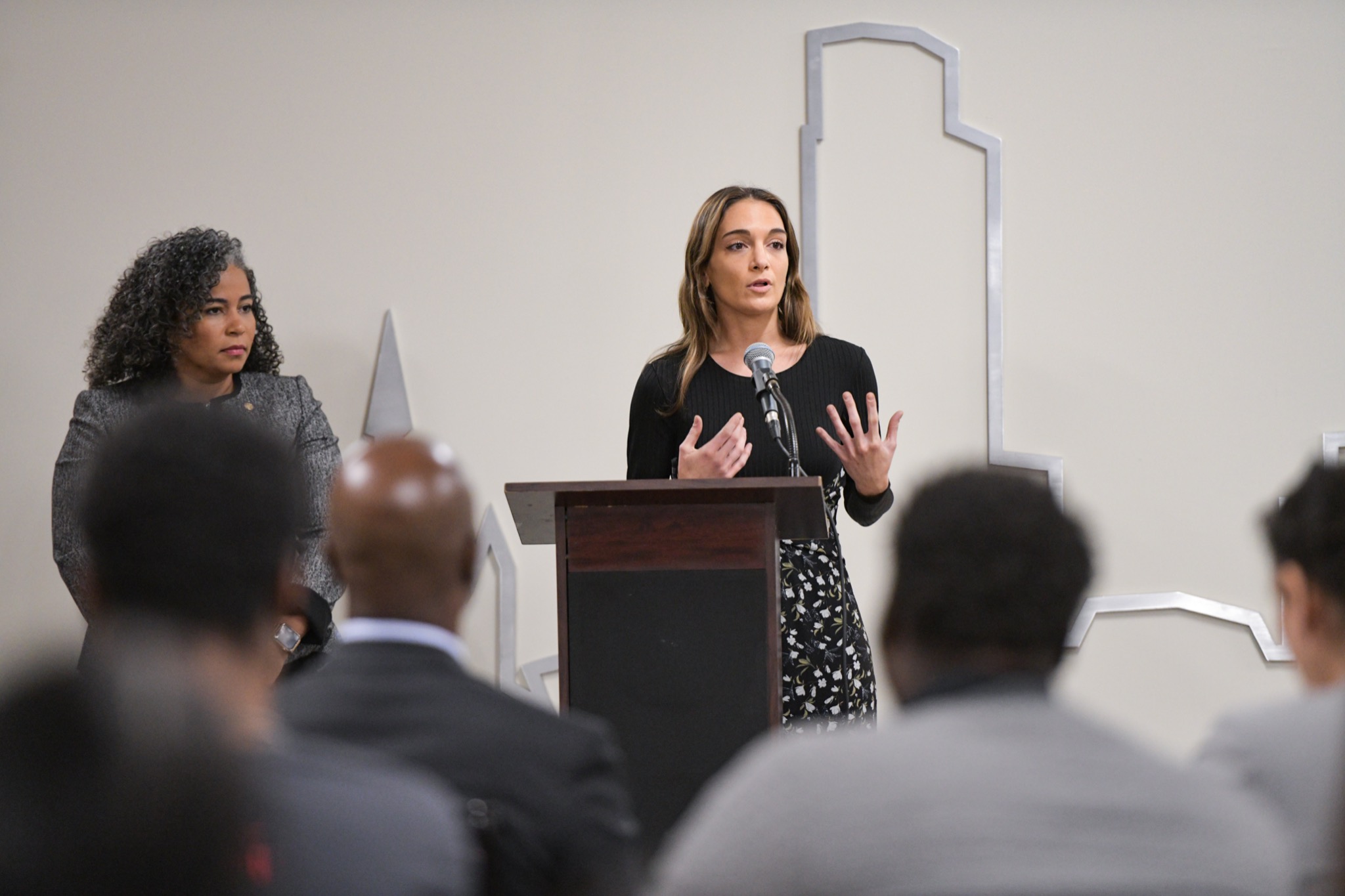
State Senator Julia Salazar, a democratic socialist whose district runs across north Brooklyn, made the case early and kept making it. In a February statement she said it was “time to require that billionaires, millionaires, and corporations contribute their fair share to society,” arguing that “they became this wealthy because of the labor of working-class New Yorkers.” By spring she had taken it to the governor’s doorstep, joining New Yorkers at Governor Kathy Hochul’s Manhattan office to demand she tax the rich, an action where dozens of protesters were arrested.
For a moment the votes looked real. The State Senate’s own one-house budget resolution, which Salazar backed, proposed lifting New York City’s corporate tax on financial firms from 9 to 10.8 percent and adding a half-point surcharge on the top two income brackets, revenue the chamber put at more than $2.5 billion a year. The Assembly floated its own version of taxing high earners.