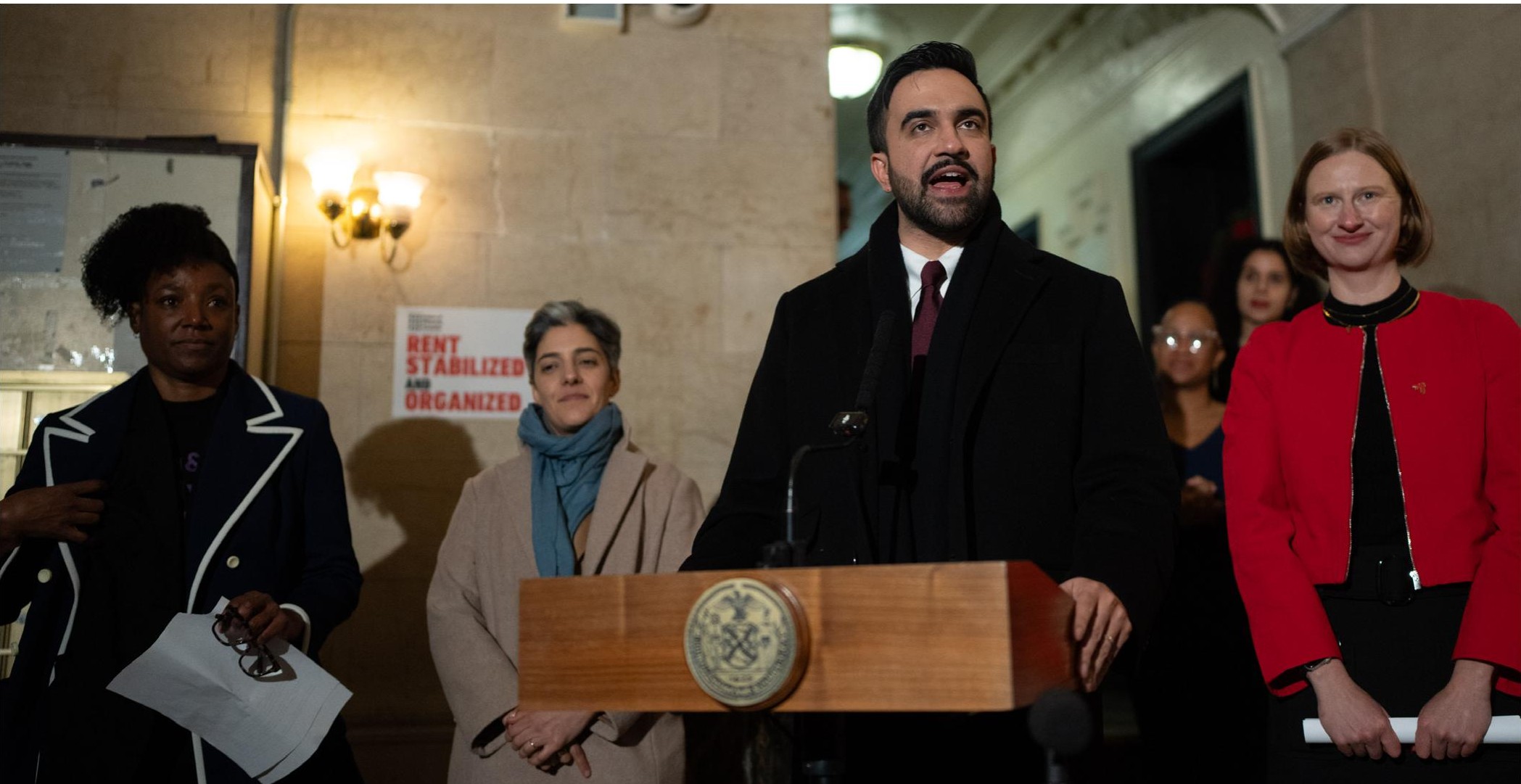
New York City Mayor Zohran Mamdani on Thursday announced a comprehensive overhaul of how the city enforces housing codes against negligent landlords, including a new “Fix the City” campaign targeting the worst building owners, tenant control over HPD inspection scheduling, and the digitization of a building-registration and penalty-tracking system that, the mayor said, still runs entirely on paper, according to a Mayor’s Office press release. The overhaul lands as tenants take enforcement into their own hands, including the Brownsville renters who sued over sewage backups, contaminated water and mold.

The enforcement overhaul is part of 23 policy actions released Thursday as the Rental Ripoff Report. The housing code enforcement measures specifically involve the Department of Housing Preservation and Development and the Department of Buildings, both of which Mamdani said will be modernized to make it faster and harder for repeat violators to slip through. The paper-based tracking system, he said at the press conference, slows enforcement down and makes it difficult to identify landlords who rack up violations across multiple properties.
Tenants will, under the new plan, be able to reschedule HPD building inspections on their own schedule rather than waiting for the city to assign one. The administration is also committing to investigate every heat complaint the city receives individually, rather than triaging them. Both changes are aimed at closing the gap between when tenants file a complaint and when anything actually happens, per the press release.
On mold, one of the most common issues raised in hearings that preceded the report, the administration is targeting the fix-on-paper problem directly. “No longer will landlords be allowed to slap a new coat of paint over a wall of black mold and pretend that the issue is fixed,” Mamdani said in press conference remarks. The Underlying Conditions Program would add financial penalties for landlords who fail to properly remediate mold rather than mask it, per the press release, though that change requires legislation.
The Alternative Enforcement Program, which covers buildings with chronic violations, is also slated for strengthening under the plan. Both the AEP changes and the mold-penalty addition are being referred to a newly convened Legislative Task Force that will handle the actions requiring City Council action, according to the Mayor’s Office.
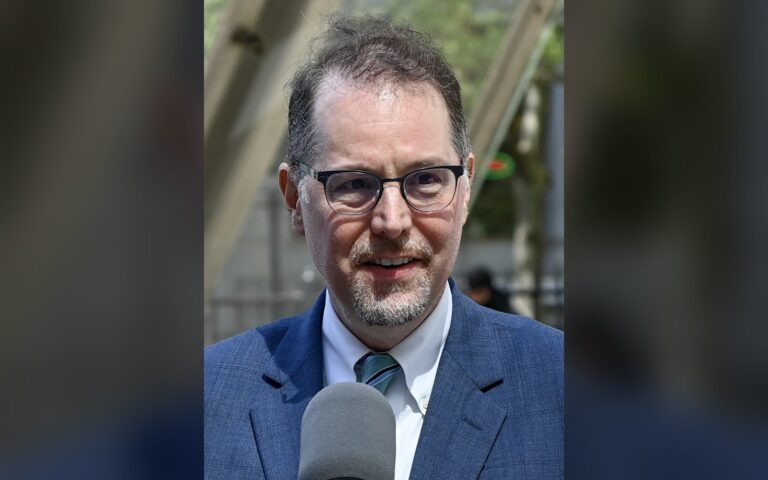
The Department of Consumer and Worker Protection, led by Commissioner Samuel A.A. Levine, is assigned new rulemaking around unlawful renter fees and utility charge transparency as part of the broader accountability push. Levine also cited the FARE Act, which bars renters from being forced to pay broker fees when a landlord hired the broker, as part of that enforcement framework, per the press release.
“At Rental Ripoff Hearings across the five boroughs, we heard from thousands of New Yorkers living with mold that was never treated, pests that were never addressed and fees that were never explained,” Mamdani said in the press release. “Listening was only the first step.”
Read the city’s full announcement and the Rental Ripoff Report at nyc.gov.
Featured image: NYC Mayor's Office