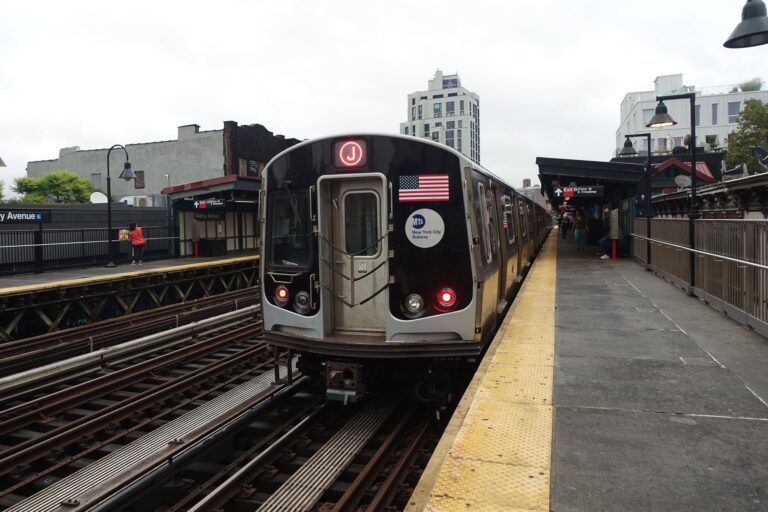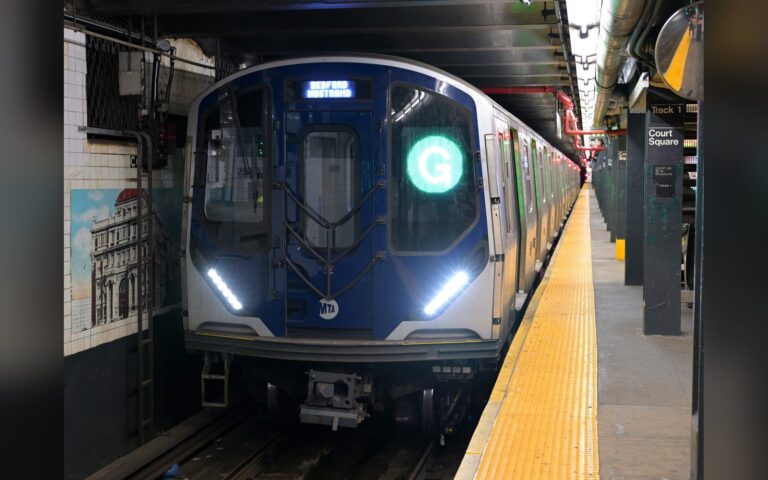

NJ Transit fares went up 3 percent on July 1, hitting buses, commuter trains and light rail across the system that carries hundreds of thousands of people between New Jersey and New York every day. The increase, reported by El Diario for the region’s Spanish-speaking commuters, is now reflected on every rail, bus and light rail trip.




Here is the part that matters if you ride it: this was not a one-off. The 3 percent bump is baked into a financial plan NJ Transit approved in 2024, when the agency raised fares 15 percent and locked in an automatic 3 percent increase every July 1 after that. So the same thing is scheduled to happen again next summer, and the summer after that, without a fresh vote.
Three percent sounds small until you do the math on a round trip five days a week. For daily commuters, that is a cost that stacks up month after month, which is why an increase this size still lands.
The new reference fares run from $1.90 to $59.10 on buses, depending on how many zones you cross, and from $1.80 to $23.85 on commuter rail, depending on your departure and arrival stations. Light rail sits between $1.90 and $2.65: the River Line and Newark Light Rail are $1.90, and the Hudson-Bergen Light Rail is $2.65. Two people on the same system can pay different amounts, because the price changes with origin, destination and the number of zones you travel through.
There are reduced fares if you qualify. Children between 5 and 11, riders 62 and older, and people with disabilities pay discounted rates. That works out to $1.25 on the Hudson-Bergen Light Rail and $0.85 on both the Newark Light Rail and the River Line, according to NJ Transit’s fares page. The agency also points riders toward monthly passes, which usually beat buying single tickets every day, and its official app for buying fares.
NJ Transit says the extra money goes toward rising operating costs, infrastructure maintenance and projects meant to make service safer and more reliable. The agency is also carrying a budget deficit.
The timing was rough. The day before the hike took effect, riders reported long delays on trains into New York Penn Station after signal and overhead wire problems, with some passengers telling ABC7 they waited for hours. One commuter caught in the delays described the scene to the station: “You can see I’ve been sweating since I got here. It’s 80-something degrees in here and it’s just been a miserable experience.”
Another rider told ABC7 the delays were bleeding into everything else. “How would you feel if you wanted to get home to your family? So now if I don’t catch that train, I’m going to get home at 11 o’clock at night to be back at work at 7 in the morning,” the commuter said.
The increase also arrives in the middle of the 2026 World Cup, with matches drawing crowds to the region. NJ Transit said its World Cup transportation service was not affected by the delays. The agency had projected roughly 40,000 passengers per match, but ridership has averaged between 20,000 and 26,000 per event, according to ABC7.
By Tuesday morning, NJ Transit said trains, buses and light rail were running normally with no major delays. The higher fares stay.
Featured image: Bushwick Daily image