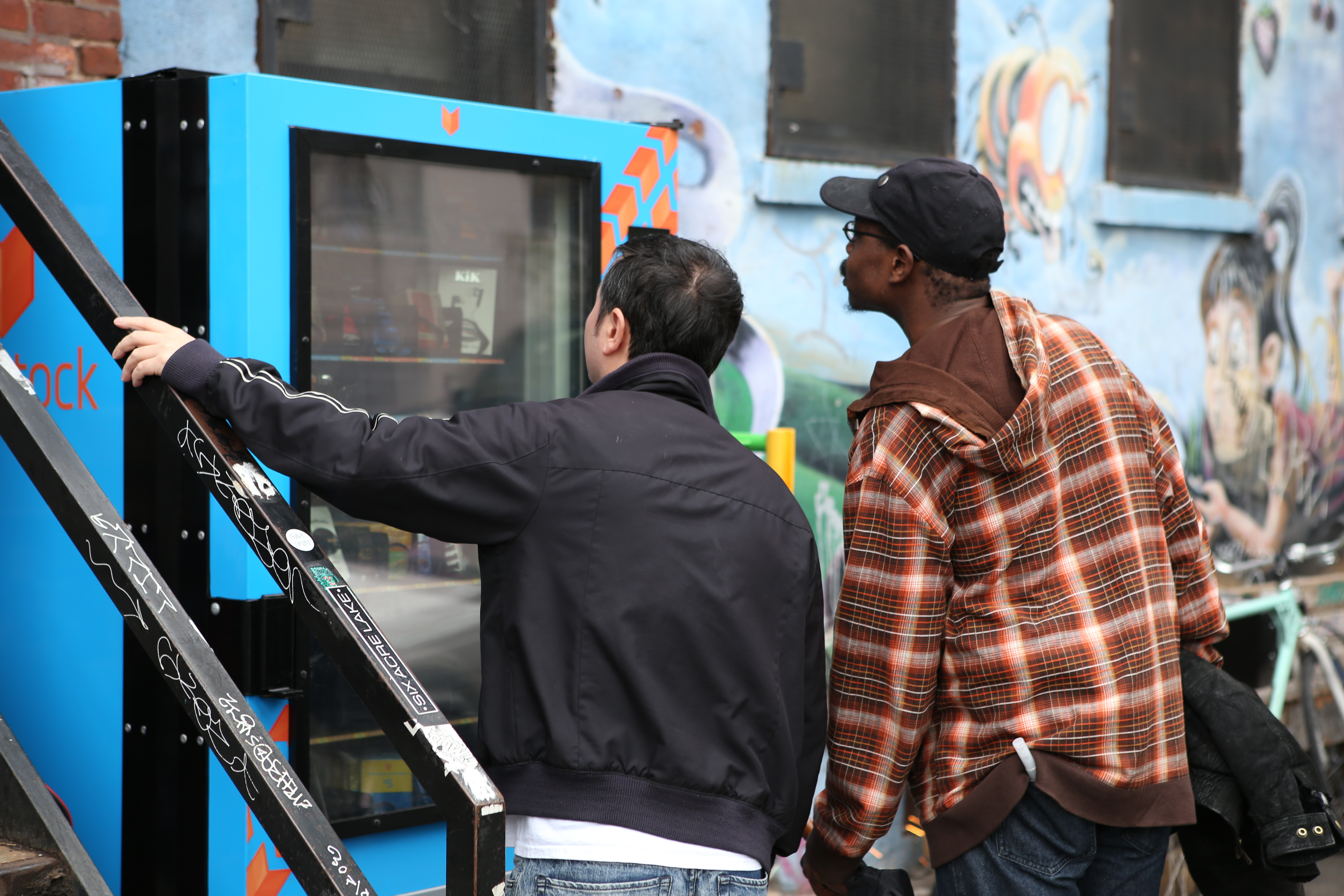
Staten Island now has two vending machines that dispense free naloxone and other health supplies around the clock, with no insurance, appointment or ID required. Mayor Zohran Mamdani’s office, the New York City Health Department and the Staten Island Partnership for Community Wellness opened the machines Monday in Port Richmond, outside the health nonprofits Community Health Action of Staten Island and A Chance in Life. They are the first publicly supported public health vending machines on the borough, as Healthbeat first reported.
Here is how they work. You walk up, enter a New York City ZIP code on the keypad, and pick what you need. Everything inside is free. Per the Health Department, the machines carry naloxone, the over-the-counter nasal spray also sold as Narcan that reverses an opioid overdose, plus fentanyl test strips, condoms and lube, toiletry and menstrual kits, sharps containers, and, at select machines, sterile syringes. Healthbeat reported the Staten Island machines also stock emergency contraception pills and socks. They run 24 hours a day, seven days a week. The ZIP code you enter gets logged.
The point is to strip out the two things that keep naloxone out of reach in an emergency: cost and time. Pharmacies sell it for around $25, and almost every public institution in New York state is required to stock it, but the Health Department notes that price and location are still barriers when someone is overdosing in front of you.
Health Commissioner Dr. Alister Martin made the case with a story. At the Knicks ticker-tape parade in Lower Manhattan weeks earlier, an off-duty EMT volunteer named Simone Kelly spotted a stranger showing signs of an overdose, found someone in the crowd carrying naloxone, and administered the nasal spray. The man lived. “Were it not for that individual, and were it not for that Narcan, this person may not be here with us today,” Martin said outside A Chance in Life, standing in front of one of the machines. “The public health vending machines make it more likely that those kinds of life-saving scenarios will happen again in the future.”
The machines are paid for out of the city’s opioid settlement fund, the pool of money New York won from opioid manufacturers and distributors. In 2023, then-Mayor Eric Adams allocated $12 million of it exclusively to Staten Island organizations for treatment, harm reduction, outreach, housing and employment help, after borough officials spent months arguing Staten Island had been shortchanged. Adrienne Abbate, executive director of the Staten Island Partnership for Community Wellness, submitted the proposal that brought the machines to the North Shore, where fatal overdoses had outpaced the rest of the borough.
“No matter the time or day of the week, community members will have a chance to come grab free supplies and start carrying the tools to protect our neighbors, on the bus, walking on the street, or driving in the car,” Abbate said. “No insurance or appointment needed.” She said the decisions about what to stock came from research that included conversations with people in recovery and people still using drugs.
Staten Island had the second-highest overdose death rate in the city in 2023. By 2024 it had the second-lowest, and overdose deaths among borough residents fell 49 percent between those two years, according to the Health Department. Citywide, fatal overdoses peaked at 3,070 in 2022 and have dropped significantly since, per a Health Department report in October 2025. Experts credited the decline to a mix of factors, including wider availability of naloxone, expanded access to medication and investment in harm reduction.
North Brooklyn and Queens are not new to this. The city’s first four Health Department-supported vending machines opened in Brooklyn and Queens in 2023, two per borough. Since then, the Health Department says, those machines have been used more than 73,000 times and have dispensed more than 6,600 naloxone kits. The city has not said whether more machines are coming to other neighborhoods. You can find the current locations and what each machine stocks on the Health Department’s public health vending machine page.